
Discover Why Authentic Aceto Balsamico Tradizionale Is Worth Waiting Decades For
If you’ve only tasted supermarket balsamic vinegar…
you haven’t really tasted traditional balsamic.
In Modena (MOH-deh-nah), balsamic vinegar isn’t simply a condiment.
It’s a family heirloom.
It’s a work of art.
It’s a tradition measured not in months—but in decades.
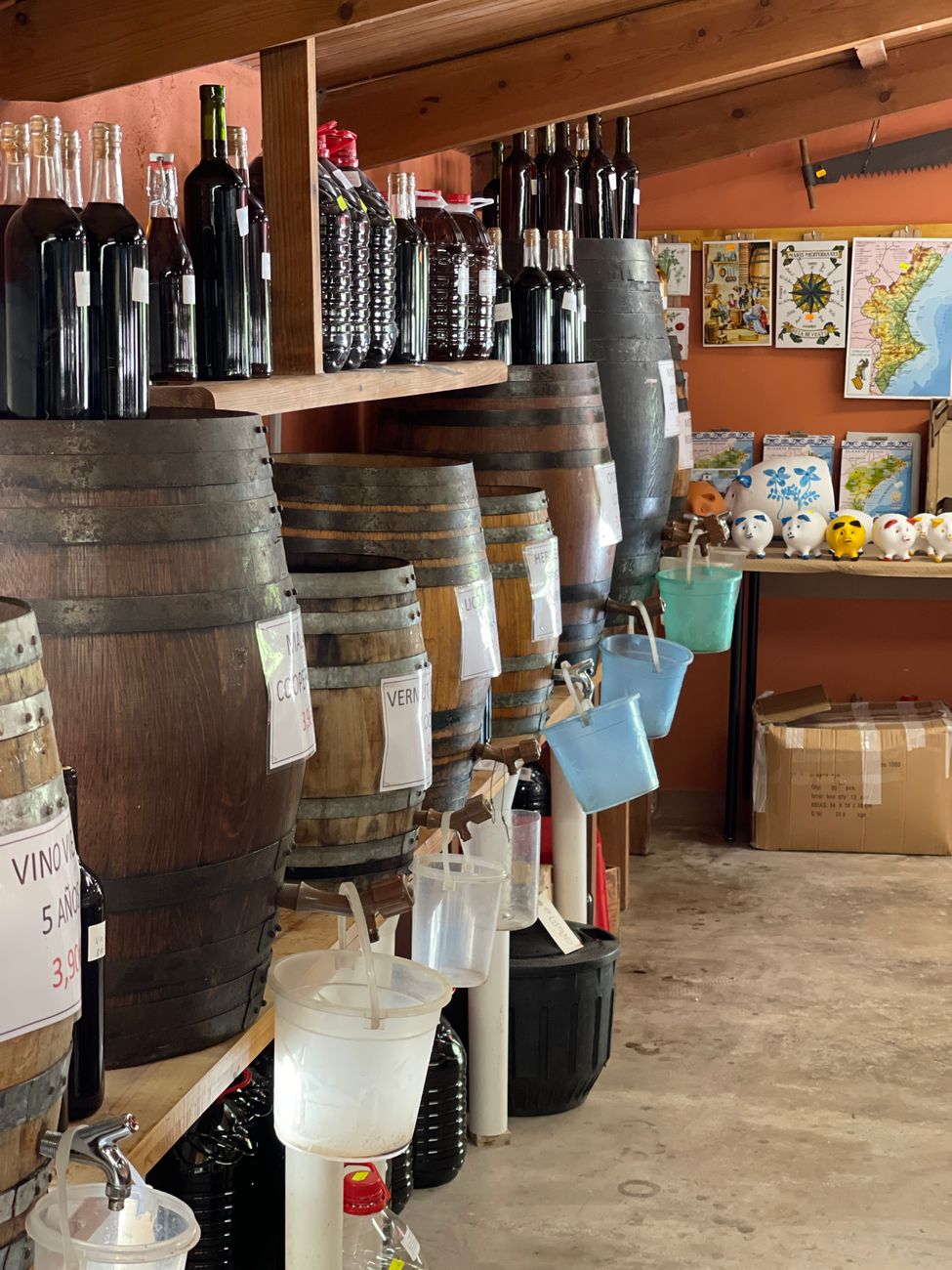
Inside quiet attics called acetaie (ah-cheh-TAH-yeh), rows of wooden barrels quietly transform cooked grape must into one of Italy’s most treasured culinary creations.
Some barrels contain vinegar older than the people tasting it.
Others have been lovingly cared for by the same family for generations.
A visit to an acetaia isn’t just a food tour.
It’s an invitation into one of Italy’s most beautiful traditions.
At a Glance
📍 Region: Emilia-Romagna (eh-MEE-lee-ah roh-MAHN-yah)
🍇 Known For: Aceto Balsamico Tradizionale di Modena DOP
🏡 Best Experience: Tour a family-run acetaia
🚗 Transportation: Rental car or guided food tour
🗓️ Best Time to Visit: Year-round
Why Visit an Acetaia?
Before visiting Modena, I thought balsamic vinegar was simply something you kept in the kitchen.
After touring an acetaia, I realized it’s something entirely different.
You don’t just learn how it’s made.
You learn why generations of families continue caring for barrels that may not be fully mature for decades.
It’s one of the most moving food traditions I’ve experienced anywhere in Italy.
Protected by Tradition
What Makes Traditional Balsamic Different?
Authentic Aceto Balsamico Tradizionale di Modena DOP (AH-cheh-toh bahl-SAH-mee-koh trah-deet-see-oh-NAH-leh dee MOH-deh-nah) follows incredibly strict production rules.
Unlike commercial balsamic vinegar, traditional balsamic contains only one ingredient:
🍇 Cooked grape must.
No caramel coloring.
No added sugar.
No thickeners.
No shortcuts.
Time does the work.
Every bottle is aged for a minimum of 12 years, with many spending 25 years or more in a carefully managed series of wooden barrels.
Italian Tradition
One of my favorite stories from visiting an acetaia wasn’t about vinegar at all.
It was about family.
In many Modenese families, a newborn child receives a battery (batteria)—a set of progressively smaller wooden barrels used to age traditional balsamic vinegar.
As the child grows, the vinegar quietly matures alongside them.
Years later, that same vinegar may be gifted at a wedding or become part of a family inheritance.
I can’t think of a more beautiful symbol of patience, love, and the Italian belief that the best things in life take time.
Did You Know?
Traditional balsamic vinegar isn’t stored in one barrel.
Instead, it’s transferred through a series of progressively smaller barrels made from different woods such as:
🪵 Oak
🌰 Chestnut
🍒 Cherry
🌳 Mulberry
🌿 Juniper
Each wood contributes subtle aromas and flavors over time, creating extraordinary depth and complexity.
Layers of History
Balsamic vinegar has been produced in the Modena area for nearly a thousand years.
Historically, it wasn’t something poured generously over salads.
It was reserved for special occasions, honored guests, and important family celebrations. It was also used for medicinal purposes.
For centuries, barrels were treasured possessions passed from one generation to the next.
Today, many families continue that tradition with remarkable care.
How Traditional Balsamic Is Made
Step 1: Harvest
Everything begins with locally grown grapes, most commonly Trebbiano and Lambrusco.
The grapes are harvested at peak ripeness to ensure concentrated natural sweetness.
Step 2: Cooking the Must
Fresh grape juice is slowly simmered until it reduces into a rich, concentrated must.
This isn’t rushed.
The slow reduction develops the foundation of balsamic’s complex flavor.
Step 3: Into the Barrel
The cooked must begins its long journey through a batteria—a sequence of wooden barrels, each slightly smaller than the last.
Every year, a small amount moves from one barrel to the next, while evaporation naturally concentrates the vinegar.
Locals call this the “angel’s share,” because some of the liquid slowly disappears into the air over time.
Step 4: Patience
Years pass.
Then more years.
The vinegar becomes darker.
Thicker.
Sweeter.
More complex.
Nothing can hurry this process.
And that’s exactly the point.
Meet the Maker
One of the highlights of any acetaia visit is meeting the family behind the barrels.
Many producers aren’t large companies.
They’re multi-generational families caring for traditions that have been handed down for centuries.
Listening to them explain each barrel, each transfer, and each year’s harvest reminds you that balsamic isn’t simply produced.
It’s patiently nurtured.
How to Taste Traditional Balsamic
Forget dipping bread into it.
Authentic traditional balsamic is usually enjoyed one small spoonful at a time.
Notice:
👀 Its glossy appearance.
👃 Aromas of fruit, wood, spice, and dried figs.
👄 The balance between sweetness and acidity.
It lingers long after the final taste.
Sometimes, the simplest presentation is the most memorable.
What to Pair It With
A few drops can elevate simple ingredients into something unforgettable.
Try it with:
🧀 Parmigiano Reggiano
🍓 Fresh strawberries
🍦 Vanilla gelato
🥩 Grilled steak
🍐 Ripe pears
The goal isn’t to overpower the food.
It’s to enhance it.
Worth the Detour
Maranello
Only a short drive from Modena, Maranello is home to the Ferrari Museum.
Whether you’re passionate about motorsports or simply curious about one of Italy’s most iconic brands, it’s an easy addition to your Emilia-Romagna itinerary.
The contrast between centuries-old culinary traditions and cutting-edge automotive engineering makes for a memorable day.
Sondra’s Table
Don’t Leave Without…
Tasting traditional balsamic from both 12-year and 25-year aging periods.
The difference is remarkable.
Best Souvenir
A small bottle purchased directly from the producer.
It’s not inexpensive—but it’s one of the most meaningful culinary souvenirs you can bring home.
Slow Travel Moment
Stand quietly inside the barrel room for a minute.
Breathe in the scent of aging wood and cooked grapes.
Imagine the generations of families who have cared for these barrels before you.
Sometimes, slowing down is the best way to appreciate a place.
Before You Leave
✔️ Buy directly from the acetaia if your budget allows.
✔️ Ask about the family’s history.
✔️ Taste multiple aging periods.
✔️ Respect that every bottle represents years—often decades—of care.
✔️ Share the story when you serve it back home.
Instagram & TikTok Worthy Moments
🪵 Rows of wooden barrels
🥄 Traditional tasting spoons
🏡 Historic attic acetaie
🍇 Vineyards surrounding Modena
📸 Family photos displayed inside the acetaia
Sondra’s Packing Tip
If you’re purchasing balsamic to bring home, wrap the bottle in clothing and place it in the center of your checked suitcase.
Many producers also offer travel-safe packaging—don’t hesitate to ask.
Memory Lane
Walking through an acetaia changed the way I think about food.
The barrels weren’t just storing vinegar.
They were preserving family stories.
Watching generations care for something they may never fully enjoy themselves was a beautiful reminder that some traditions are created as gifts for the future.
Italian Phrase of the Week
“Da quanti anni è invecchiato?”
Pronunciation:
dah KWAHN-tee AHN-nee eh een-vehk-KYAH-toh
Meaning:
“How many years has it been aged?”
It’s a wonderful question to ask during a tasting and often opens the door to fascinating conversations with producers.
Wine of the Week
Lambrusco di Sorbara DOC
Pronunciation:
lahm-BROO-skoh dee sohr-BAH-rah
Elegant, lightly sparkling, and wonderfully refreshing, Lambrusco di Sorbara is one of Emilia-Romagna’s hidden gems.
Taste Like a Sommelier
👀 Appearance: Pale ruby with delicate bubbles.
👃 Aroma: Raspberry, rose petals, cranberry, and citrus.
👄 Palate: Crisp, dry, vibrant acidity with a clean finish.
❤️ If You Enjoy…
Dry rosé, sparkling rosé, or Pinot Noir, you’ll likely love Lambrusco di Sorbara.
Pairs Perfectly With:
🧀 Parmigiano Reggiano
🥩 Prosciutto di Parma
🍓 Fresh strawberries
🥗 Charcuterie boards
Order Like a Local
Try saying:
“Posso assaggiare l’Aceto Balsamico Tradizionale?”
Pronunciation:
POHS-soh ahs-sah-JAH-reh lah-cheh-toh bahl-SAH-mee-koh trah-deet-see-oh-NAH-leh
Meaning:
“May I taste the traditional balsamic vinegar?”
You’ll not only learn more about the product—you’ll show your host that you’re interested in the tradition behind it.
Continue Exploring Emilia-Romagna
🧀 How Parmigiano Reggiano Is Made: A Visitor’s Guide
🚆 The Best Train Trips in Italy
Continue Exploring Italy
🌿 Ultimate Puglia Road Trip Guide
🌊 Ultimate Amalfi Coast Travel Guide
🌋 Ultimate Sicily Road Trip Guide
Coming Up Next
The Best Train Trips in Italy
We’ll discover:
🚄 Italy’s high-speed rail network
🏔️ Scenic regional routes
🌊 Coastal journeys with unforgettable views
🏛️ City-to-city itineraries
🎒 Tips for booking, packing, and traveling by train
…and why exploring Italy by rail is one of the most relaxing and rewarding ways to experience the country.
Leave a Reply