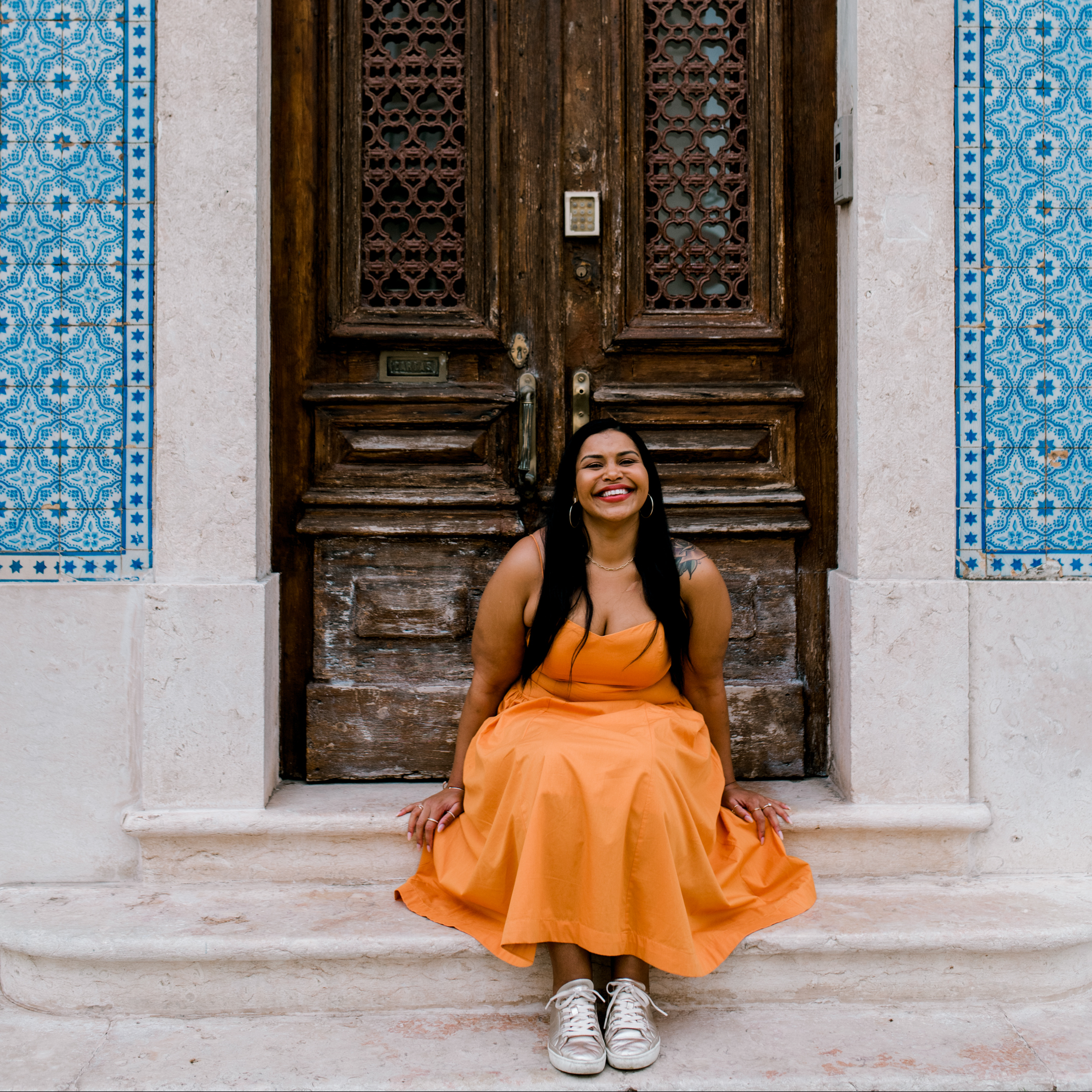
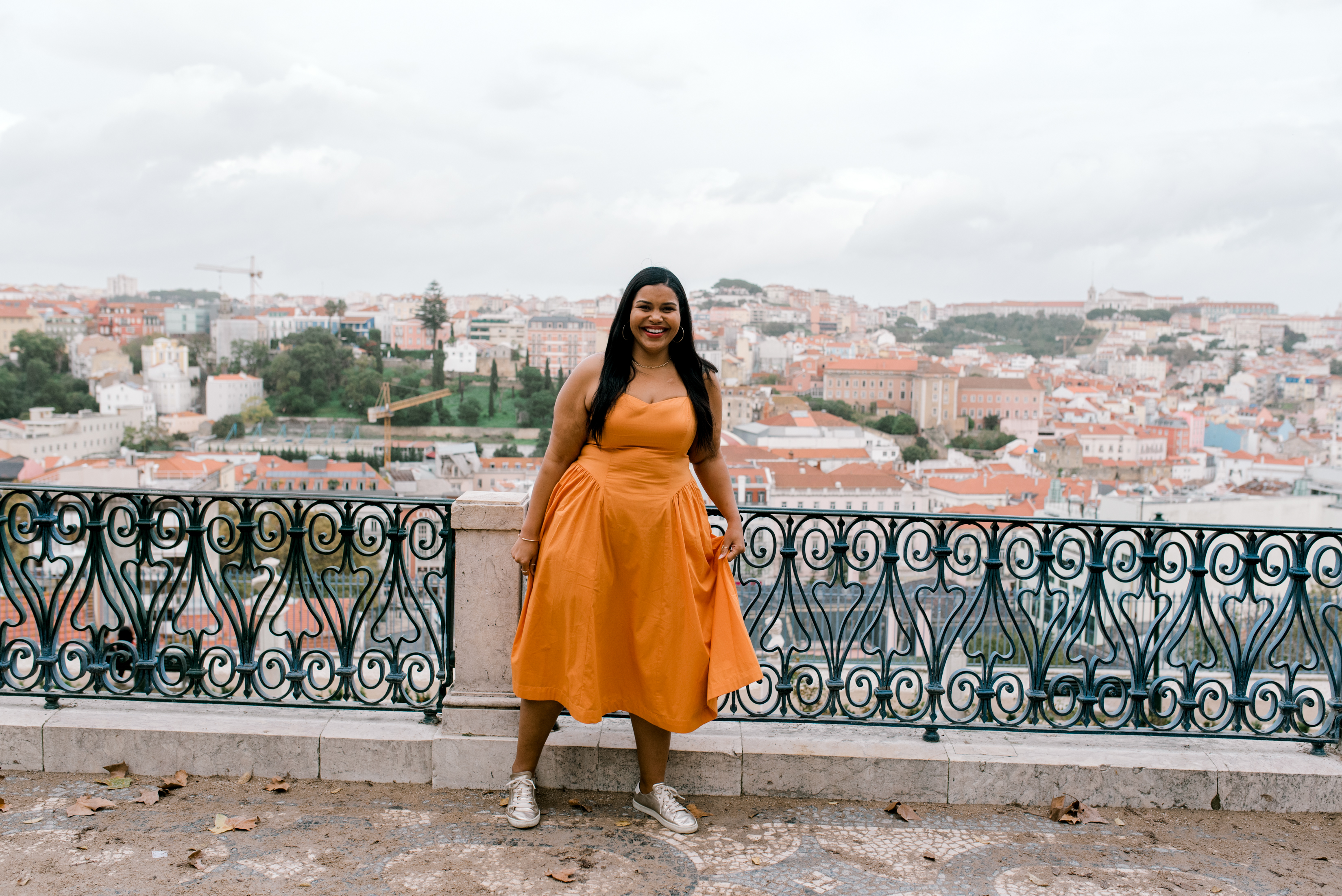
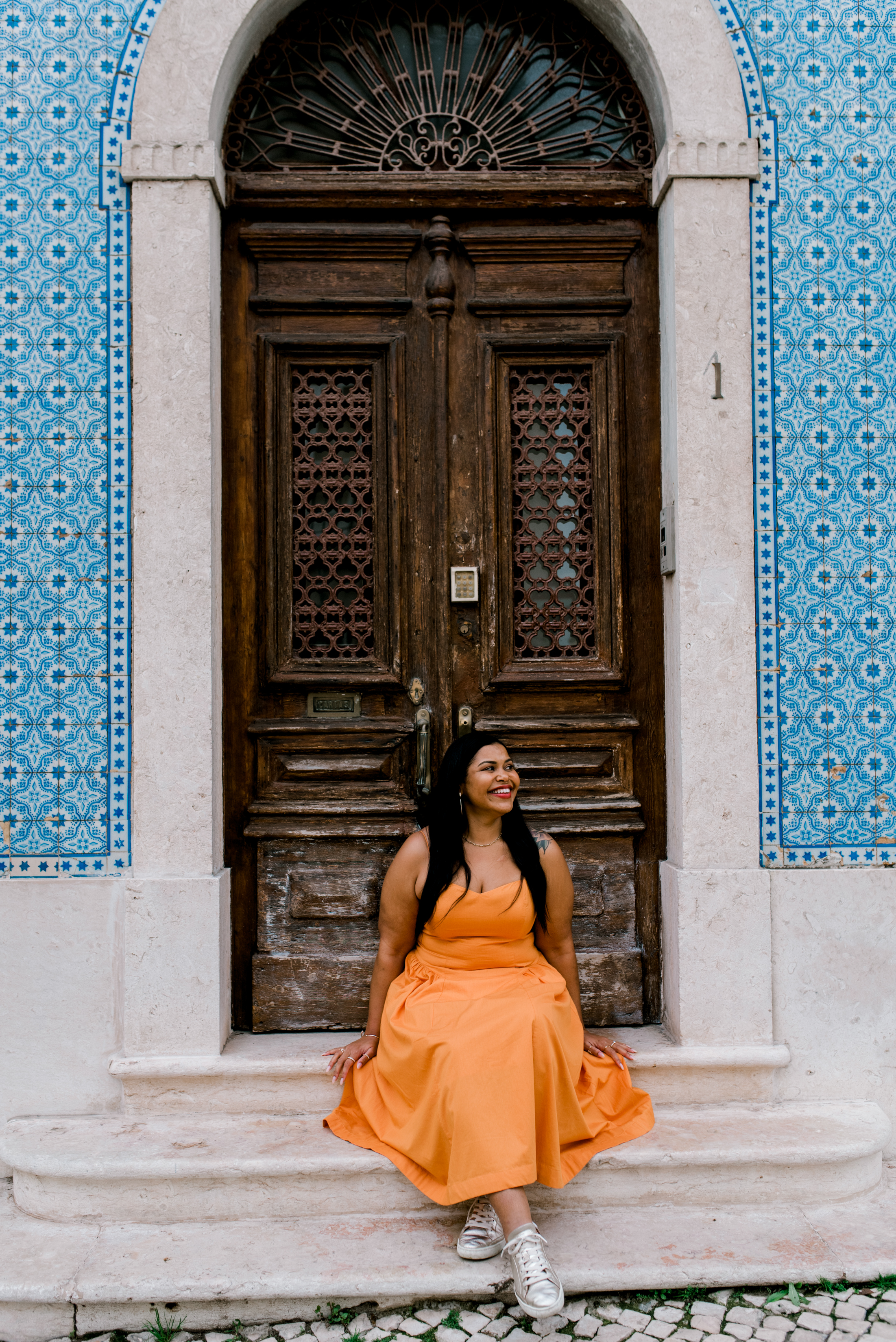
Hello, I’m Sondra!
Solo Female Traveler. Part-time Model. Your Internet Bestie.
-
The Solo Female Traveler’s Guide to Becoming a Travel Blogger: From Zero to Insta-Hero
So, you’ve been bitten by the travel bug, and now you want to do more than just soak up stunning sunsets and take selfies at the Eiffel Tower. You want to become a travel blogger—to inspire others, share your adventures, and, let’s be real, live that dreamy “get paid to travel” life. Well, guess what? You’re not alone! (Okay, technically you are because solo travel is your thing, but you know what I mean.)
Whether you’re just starting out or you’re ready to level up, this guide is for you. I’ll walk you through everything from dipping your toes into content creation to building a thriving community that follows your every move (in the non-creepy, totally supportive way, of course). Let’s get you on the path to becoming the travel blogger you were meant to be!
Step 1: Start With Your “Why” – Your Unique Story Is Your Superpower
Before we jump into all the fun tech stuff (spoiler: there’s a lot of it), let’s start with you. The most important part of becoming a travel blogger is knowing why you’re doing it in the first place. What makes your voice unique? What experiences, perspectives, or quirks set you apart?
Are you:
- A solo female traveler navigating the world on a budget?
- A woman of color exploring places with rich cultural narratives?
- LGBTQ+ and want to show that the world is welcoming (or not) to the queer traveler?
- A plus-sized traveler proving that adventure doesn’t have a size limit?
Figure out what drives you, because your story is the secret sauce that will draw people in. Travel blogs are a dime a dozen, but no one else can tell your story like you can. This isn’t just about pretty pictures—it’s about sharing an authentic journey.
Step 2: Start Small, Think Big – Blogging Platforms for Beginners
Now that you’ve got your “why,” it’s time to get practical. If you’re new to the game, you’ll want to start with a blogging platform that’s easy to use but has room for growth.
1. WordPress (The Self-Hosted Way)
If you’re serious about making this a long-term gig, a self-hosted WordPress site is the way to go. Yes, there’s a bit of a learning curve, but it’s worth it. You’ll own your website, have total control over design, and (here’s the kicker) it looks way more professional when you start pitching brands for collabs.Pro Tip: Get a domain name that’s catchy, reflects you, and doesn’t sound like it belongs to a business from 1998. Think: AdventuresWithAnna.com or SoloSheTravels.com, not AnnasTravelBlog123.com.
2. Squarespace (For the Tech-Phobic)
If the thought of setting up a WordPress site makes your head spin, Squarespace is your friend. It’s drag-and-drop easy, and the templates are gorgeous. You won’t have as much freedom as you would with WordPress, but for beginners, it’s a great way to get your site up and running in less than a day.3. Medium (For the Minimalists)
If you’re really not into the whole website-building thing and just want to write, Medium is a good starting point. It’s simple, already has a built-in audience, and lets you focus purely on content creation. It’s not ideal if you want to monetize later, but it’s a great place to find your voice and build a following.
Step 3: Master the Art of Instagram – Your Visual Storytelling Playground
Let’s be real: Instagram is the holy grail for travel bloggers. It’s where you share those jaw-dropping photos, connect with other travelers, and (eventually) partner with brands. But before you start posting your entire camera roll, here’s how to get the most out of it.
1. Post with Purpose
Each photo and caption should tell a story. Don’t just post a pretty beach pic—talk about how you felt standing there, the hidden gem you discovered, or the challenge you overcame to get there. Remember, people connect with stories more than just images.2. Hashtags = Your Best Friend
Hashtags are still one of the best ways to get your content discovered. Use a mix of popular and niche hashtags. Try: #SoloFemaleTraveler, #GirlsWhoWander, #WanderlustWomen, and #TravelBloggerLife. Oh, and don’t forget to keep an eye on trending tags related to your niche.3. Engage, Don’t Just Post and Ghost
Social media is social, so don’t just hit “post” and dip. Take the time to comment on other people’s posts, respond to comments on your own, and engage with your community. This is how you build connections—and connections lead to followers who stick around.4. Stories and Reels Are Your BFFs
Instagram’s algorithm loves video content, so make sure you’re using Stories and Reels. Show behind-the-scenes moments, give travel tips, or share quick day-in-the-life snippets from your latest destination. It doesn’t have to be perfect; it just has to be you.
Step 4: Expand to YouTube – Long-Form Content Is Still King
If you’re feeling confident in your blogging and Instagram game, it’s time to branch out to YouTube. Yes, it takes more effort than snapping a pic, but if you love storytelling and have some editing chops, YouTube can be a huge growth platform. Video content lets your audience see your real personality, and it builds a deeper connection than photos alone ever could.
Beginner Tips for YouTube:
- Start with travel vlogs or destination guides. Keep them fun and informative!
- You don’t need a fancy camera—your smartphone will do just fine when you’re starting.
- Make sure your video thumbnails are eye-catching. Bright colors, bold text, and a smiling face always work well.
- Don’t forget SEO (search engine optimization)! Use keywords in your title, description, and tags so that people can find your content.
Step 5: Engage Across Platforms – Build Your Travel Tribe
Your goal isn’t just to grow followers—it’s to build a community of people who actually care about what you’re sharing. Here’s how you can build your tribe across different platforms:
1. Facebook Groups
Create a Facebook Group or join existing ones where your niche hangs out. Whether it’s for solo female travelers, plus-sized travelers, or LGBTQ+ globetrotters, these groups are perfect for networking, sharing tips, and driving traffic back to your blog or social media.2. Pinterest
Don’t sleep on Pinterest—this visual search engine is gold for travel bloggers. Create eye-catching, vertical pins linking back to your blog posts and Instagram. People use Pinterest to plan trips, so give them the inspiration they’re searching for.3. TikTok
Yes, TikTok is huge for travel content. It’s less polished and more real, which means you don’t have to be perfect—just entertaining. Share quick travel hacks, funny moments, or stunning location reveals. TikTok loves authenticity, so don’t be afraid to let your personality shine through.4. Newsletters
What is this, 1999? No, but seriously—email newsletters are making a comeback. Platforms like Mailchimp or Substack allow you to build a direct connection with your audience without worrying about social media algorithms. Send updates, share personal stories, and give your readers exclusive content.
Step 6: Monetize Like a Pro – Turning Your Passion Into Profit
Once you’ve built up a decent following and engagement, it’s time to start thinking about how to make some cash. Here’s where the fun begins!
1. Sponsored Content
Brands will pay you to promote their products if they align with your niche and audience. Make sure to reach out to companies you actually love, because authenticity is key here. No one wants to see a solo female traveler pushing beard oil, right?2. Affiliate Marketing
Sign up for affiliate programs like Amazon Associates or Booking.com, and start linking products or services you already use. Every time someone clicks your link and makes a purchase, you earn a commission. Easy money!3. Offer Digital Products
Got a knack for creating things? Make digital products like travel guides, ebooks, or itinerary templates. Sell them on your blog or through platforms like Etsy. It’s passive income at its finest.4. Coaching and Consultations
If you’ve become an expert in a specific area—whether it’s solo travel safety tips, packing hacks, or budget travel—you can offer consultations or coaching services. People love learning from others with real-world experience.
Final Thoughts
Becoming a successful solo female travel blogger isn’t just about packing a suitcase and snapping a few photos. It’s about building a brand, connecting with people, and sharing your unique perspective with the world. Whether you’re just starting out or looking to grow, the key is consistency, authenticity, and a whole lot of passion.
So, what are you waiting for? Grab your camera, fire up that laptop, and get ready to share your story. The world is waiting for your next adventure—and so is your future audience!
TL;DR:
Know your “why”—your unique story will set you apart.
- Start with a user-friendly platform like WordPress or Squarespace.
- Instagram is essential for visual storytelling—engage with your audience and post with purpose.
- Expand to YouTube for long-form content and deeper connections.
- Use Facebook, Pinterest, and TikTok to grow your community.
- Monetize through sponsored content, affiliate marketing, or offering digital products.
Let’s get blogging, babes!
-
Cultural Etiquette: How to Engage Respectfully as a Solo Female Traveler (and Not Be That Tourist)
Let’s set the scene: you’ve just landed in a new country—passport stamped, adventure in your eyes, ready to live out your wanderlust dreams. But wait! Before you dive headfirst into the local culture (which, yes, involves trying the food, learning the language, and Instagramming all the things), there’s one key detail to keep in mind: cultural etiquette.
As solo female travelers, we carry a little extra responsibility when it comes to engaging with the world respectfully. After all, we’re ambassadors of sorts—showing that women can explore on their own while being mindful, respectful, and open to new perspectives. In short, we don’t want to be that tourist.
Ready for a crash course on how to engage respectfully as a solo female traveler? Let’s go!
1. Research, Research, Research (Before You Even Pack)
The journey to cultural respect starts before you board the plane. A little research goes a long way in helping you avoid faux pas that could make you unintentionally offensive. While it’s easy to assume that “just being polite” is enough, cultural norms can vary wildly from place to place.
Ask yourself:
- What’s the dress code? In many conservative countries, covering up isn’t just a sign of respect—it’s a safety measure, too. Rocking a bikini in Egypt outside of a beach resort? Probably not a good idea. When in doubt, dress modestly and layer up.
- What’s the language situation? You don’t have to be fluent, but learning a few key phrases like “hello,” “thank you,” and “excuse me” will go a long way. Bonus: locals love when you try to speak their language (even if you’re butchering it).
- What’s the tipping culture? In the U.S., tipping is mandatory; in Japan, it’s seen as rude. Know what’s expected so you don’t unintentionally insult your waiter.
A quick search or asking locals can give you an edge in blending in, rather than sticking out like a sore (and potentially disrespectful) thumb.
2. Dress the Part (Hint: It’s Not About Fashion)
Clothing is a major element of cultural etiquette. While some places are more relaxed, others have strict codes about what’s appropriate—especially for women. And yes, as a solo female traveler, you might face a bit more scrutiny, which makes it even more important to respect local customs.
- Conservative Cultures: In countries like Morocco, India, or parts of Southeast Asia, covering shoulders, knees, and sometimes hair is expected. Not only does this show respect, but it also keeps you safe from unwanted attention.
- Religious Sites: Planning to visit temples, mosques, or churches? Pack a scarf and cover-up, even if you’re in a generally relaxed destination. This shows respect for local religious practices and often allows you entry where more revealing clothing wouldn’t.
Pro tip: Stick to lightweight, loose fabrics that keep you cool and covered. You’ll feel comfortable and culturally appropriate, without sacrificing style.
3. Body Language: Watch Your Gestures
Did you know that something as simple as a hand gesture can carry different meanings across the globe? What’s perfectly harmless in one country could be offensive in another, so it’s essential to keep an eye on your nonverbal communication.
For example:
- The Thumbs-Up: In the U.S., this is a go-to for “good job” or “everything’s great!” In parts of the Middle East and Greece, it’s an insult.
- Pointing: In many Asian countries, pointing at someone or something is seen as rude. Use your whole hand to gesture instead.
Even small things like how you sit (showing the soles of your feet in some Asian cultures is a no-go) or where you stand can make a difference. When in doubt, observe the locals and mimic their behavior.
4. Learn the Local Customs Around Personal Space
Americans tend to love their personal space—but that’s not a universal rule. In some cultures, getting up close and personal isn’t just common; it’s expected. Meanwhile, in other places, giving someone too much eye contact or getting too physically close could be seen as aggressive or inappropriate.
- Latin America and the Mediterranean: Expect friendly physical contact like cheek kisses or handshakes that last a bit longer than you’re used to.
- Japan and China: Personal space is everything here, especially in public places. Bowing is preferred over physical greetings like hugs or handshakes.
As a solo female traveler, knowing what’s normal can help you avoid awkward situations (or worse, sending the wrong signals).
5. Be Mindful of Cultural Norms for Solo Women
While exploring solo is exhilarating, some cultures still find the idea of a woman traveling alone surprising—or even unusual. You may encounter questions or curiosities about your solo status, especially in more conservative or traditional countries.
Here’s how to handle it gracefully:
- Expect Curious Questions: In some places, it’s uncommon to see a woman traveling without family or a partner. Locals may ask you why you’re alone, out of genuine curiosity. Keep your answers light and friendly—sometimes a “I love exploring the world on my own!” is enough.
- Project Confidence: In places where women aren’t often seen alone, projecting confidence can help avoid unwanted attention. Walk with purpose, avoid prolonged eye contact with men if it’s not culturally appropriate, and know your surroundings.
Pro tip: In particularly conservative areas, you can always wear a (fake) wedding ring to sidestep questions about your relationship status!
6. Respect Local Traditions (Even If They Surprise You)
One of the best parts of travel is experiencing new cultures and traditions. But while you’re exploring, remember to show respect, even if you don’t fully understand or agree with the local customs.
For example:
- Siestas in Spain: Wondering why everything shuts down in the middle of the afternoon? It’s siesta time! Instead of getting frustrated, take a page out of the locals’ book and enjoy a leisurely break yourself.
- Ramadan in Muslim Countries: If you’re visiting a Muslim-majority country during Ramadan, be respectful of the local fast. Avoid eating, drinking, or smoking in public during daylight hours.
While it’s tempting to stay in “tourist mode,” participating in or acknowledging these traditions will enrich your experience and show the locals that you’re genuinely interested in their way of life.
7. Be a Responsible Traveler
Finally, remember that respectful travel goes beyond cultural etiquette—it’s about leaving a positive impact. Here’s how to be a responsible traveler:
- Support Local: Ditch the international chains and support local businesses—whether it’s food, souvenirs, or accommodations. This helps the local economy and ensures you’re contributing directly to the community.
- Minimize Your Footprint: Leave every place better than you found it. Whether it’s a pristine beach in Thailand or a bustling market in Istanbul, respect the environment by reducing waste and avoiding harmful behaviors like littering or damaging natural landmarks.
- Expect Respect in Return: Check out my post on navigating microaggressions for solo travelers – because you deserve respect and support, too!
Final Thoughts: Embrace Being a Global Citizen
As a solo female traveler, you have the incredible opportunity to connect with people and places in a meaningful way. Embracing cultural etiquette is about more than just avoiding mistakes—it’s about building bridges, fostering understanding, and showing respect to the world around you.
So, go out there, explore, and remember: the world is your oyster—just make sure you’re not breaking any cultural rules while you’re at it! Safe travels! 🌍
-
Navigating Microaggressions and Bias as a Woman of Color While Traveling: A Survival Guide with a Lil’ Spice
Alright, let’s get real for a second. We love travel, right? As women of color, hitting the road solo can be everything—it’s empowering, freeing, and eye-opening. But there’s an extra layer to our wanderlust that doesn’t often get talked about: microaggressions and bias. Because while we’re out there snapping pics of dreamy sunsets and trying to live our best Eat, Pray, Love life, we sometimes have to deal with uncomfortable moments, subtle (and not-so-subtle) jabs, and awkward encounters that make us question if we’ve got a “tourist” sign on our backs and our skin color.
But guess what? You’ve got this. You are a traveling queen, and no snide comments or passive-aggressive nonsense is going to dull your shine. Let’s dive into how to navigate the world as a solo woman of color—handling microaggressions like a pro and prioritizing your mental health along the way.
1. The Stare Down: When You’re The “Only” in the Room
You know the look. You walk into a restaurant, or step onto public transportation, and all eyes are on you. Not in a Beyoncé way, but in that, “Hmm, she doesn’t look like she’s from around here” way. Whether you’re in Eastern Europe, Asia, or even certain parts of the U.S., being the “only” woman of color in the room can be awkward.
How to Handle It:
- Channel Your Inner Queen: Seriously, you belong wherever you are. Stand tall, hold your head high, and walk with confidence. Sometimes people stare simply because they aren’t used to seeing someone like you. That’s on them—not you.
- Take the High Road: If someone gives you a long, invasive look, smile or give a polite nod. If they continue? Feel free to give them a “Are you done?” look or ignore them altogether. You have no obligation to educate them.
- Pick Your Battles: If someone is outright rude, it’s up to you whether you want to engage. But remember, your energy is precious. Save it for moments that matter (like deciding between gelato flavors in Rome), and don’t let someone’s ignorance weigh you down.
2. The “Exotic” Label: “Wow, Where Are You Really From?”
Ah yes, the classic “Where are you really from?” question. It’s usually asked with wide eyes and a hint of curiosity, but underneath, it carries assumptions about your place in the world. If you’ve got a different skin tone, accent, or hairstyle, people might just put you in the “exotic” box and start asking questions like you’re some kind of rare animal in a zoo. This happens to me even here in the US, and it’s always bizarre to me!
How to Handle It:
- Answer Honestly—Or Don’t: You are not obligated to educate anyone. A simple “I’m from San Diego” (or wherever you call home) is enough. If they push for more, you can either go deeper or flip the question back on them: “And where are you from?” They’ll often realize their question was invasive.
- Call It Out (With Sass): If you’re in the mood, a little sass can go a long way. “Where am I really from? Earth, just like you.” It’s both humorous and to the point.
- Laugh It Off: Sometimes, laughing about it (either to yourself or with a trusted friend) is the best medicine. “Oh, great, another ‘exotic’ comment. Where’s my bingo card?”
3. The Touching: “Can I Touch Your Hair?” (Or Worse, They Just Do It)
Isn’t it fascinating how your curls, braids, or Afro suddenly become a public artifact the moment you step into a new country? Whether it’s curiosity or pure disrespect, some people love to touch your hair without permission—as if your personal space doesn’t exist.
How to Handle It:
- The Pre-Emptive Move: If you see someone reaching for your hair, take a step back, give them a polite smile, and firmly say, “Please don’t touch my hair.”
- Shut It Down: If they ask, you’re within your rights to say “no.” You don’t owe anyone access to your body—hair included.
- Education Opportunity: If you’re feeling generous, you can explain why touching someone’s hair is not okay. But if not? A simple “That’s inappropriate” is enough.
4. The Comments: “You’re Pretty… For a [Insert Ethnicity Here]”
Compliments are great, right? But when someone tacks on a qualifier based on your race or ethnicity, it turns sour real quick. “You’re pretty for a Black girl.” “Wow, I didn’t expect someone from [insert country] to look like you.” Yeah, no thanks.
How to Handle It:
- Keep It Short and Sweet: “That’s actually not a compliment.” Leave it at that. If they try to backtrack or explain, you don’t owe them any more of your time.
- Call It What It Is: “That’s a really ignorant thing to say.” Sometimes, people don’t realize how offensive they’re being. Calling it out can spark a moment of reflection (hopefully).
- Walk Away: Not every comment deserves a response. If you’re in a safe situation and don’t feel like engaging, just walk away. You’ve got better things to do (like sip cocktails by the beach).
5. Language Barriers or “Why Don’t You Speak English?”
Even in non-English-speaking countries, some people expect you, as a tourist, to speak their language—or worse, expect everyone to speak English. And if you do speak the local language, prepare for a side of surprise when they hear you doing so fluently. It’s a weird mix of condescension and bias.
How to Handle It:
- Show Off Your Skills: If you’ve learned the local language (even a bit), throw it back at them. Respond in their language confidently and keep the conversation going. Surprise them!
- Stay Polite: If you’re not fluent and they’re getting impatient, stay calm. “I’m learning. Could you help me with the right word?” Sometimes acknowledging the language barrier with grace diffuses the situation.
- Set Boundaries: If someone’s being pushy about you speaking English or dismissing your attempt to speak the local language, feel free to remove yourself from the situation. You don’t have to deal with unnecessary rudeness.
Mental Health Matters: Protecting Your Peace
Travel is meant to be a joy, but dealing with microaggressions can add stress. It’s okay to admit that these experiences can wear you down, and your mental health is a priority. So is your safety.
Tips for Protecting Your Mental Health While Traveling:
- Take Breaks: Sometimes you need a breather. If an encounter leaves you drained, take a moment for yourself. Find a quiet café, take a walk, or even head back to your hotel for some “me time.”
- Connect with Fellow Travelers: There’s strength in numbers. Whether it’s joining a Facebook group for women of color travelers or meeting up with others through apps like Meetup or Couchsurfing, it helps to share your experiences with people who get it.
- Use Travel as Self-Care: Journaling, meditation, and mindful reflection can help process difficult moments. Make time to de-stress and check in with your mental health.
- Podcasts and Books: Plug into resources that uplift and support your journey as a woman of color traveler. Some great podcasts include “The Black Expat Podcast,” “She Nomads,” and “Wellness for Black Women.”
- Reach Out for Support: If travel stress starts to feel overwhelming, talk to a professional. Services like BetterHelp and Talkspace offer online therapy sessions that can be a lifeline when you’re on the go.
Final Thoughts: You’re Bold, Beautiful, and Worthy
Navigating the world as a solo woman of color comes with its share of challenges, but remember: you are bold, beautiful, and worthy of every single experience travel has to offer. Microaggressions and bias are frustrating, but they do not define your journey. You have the power to handle any situation with grace, and every new adventure is an opportunity to break down barriers and make the world a little more open, one trip at a time.
Now go out there, shine bright, and show the world what you’re made of. Safe travels! 🌍 ✨
-
Staying Safe and Stylish as a Solo Female Traveler: A Guide with Sass and Smarts
Let’s face it: being a solo female traveler is the ultimate flex. You’re out there conquering the world one city (or country) at a time, tasting new foods, meeting fascinating people, and taking all the drool-worthy Instagram photos. But as you zip up your suitcase and prep for your next adventure, one thing’s for sure: safety is the ultimate accessory. Whether you’re navigating the bustling streets of a new city, hiking through the mountains, or visiting a religious site, being mindful of safety—and how to dress respectfully across cultures—is key.
This blog post? It’s your roadmap to staying safe and stylish no matter where the road takes you. So buckle up, let’s dive into safety tips, how to dress for different cultures (yes, including for plus-sized travelers), and some advice for our LGBTQ+ and women of color travelers dealing with bias and microaggressions. Ready? Let’s go!
1. How to Dress Respectfully Across Cultures (and Still Be Fabulous)
Yes, the “wear whatever you want” vibe is strong, but when traveling solo—especially in conservative countries—knowing how to dress respectfully can be a game changer. It not only helps you blend in, but also shows respect for local customs (and keeps unwanted attention at bay).
Dress Codes by Region (With a Plus-Sized Twist)
- Middle East & North Africa: Modesty is the name of the game. In places like Morocco, Egypt, or Iran, think loose, flowing clothes that cover your arms, legs, and sometimes even your hair. Maxi skirts, long-sleeve tops, and scarves are your new BFFs. Plus-sized? Fear not—rocking these looks as a curvier traveler is easy. Flowy dresses with empire waists are super flattering and comfy for everyone.
- Southeast Asia: While the beachy vibes in places like Thailand and Bali are more relaxed, remember that temples require modest clothing. Opt for lightweight pants, loose-fitting tops, or a sarong (that doubles as a beach cover-up). As a plus-sized traveler, don’t be afraid to embrace fabrics that drape rather than cling. This is your moment to shine in oversized, breezy fashion!
- Europe: Western Europe is more laid back when it comes to dress, but Eastern Europe (especially in religious sites) can be conservative. Churches in Italy or Greece may require covered shoulders and knees. Bring a shawl or pashmina to easily adjust on the go. Pro tip: A stylish, flowing kimono works wonders and is perfect for any body type.
- India: Colors, patterns, and scarves, oh my! India’s vibrant culture means you can play with bright, beautiful clothing while still covering up. If you’re plus-sized, opt for kurtas (long tunics) paired with leggings—both stylish and breathable.
Pack the Essentials:
- Scarves: One for your head, shoulders, or as a makeshift blanket. Instant respect and cultural chameleon vibes.
- Comfy Layers: Especially when visiting religious sites or more conservative areas. Bonus: Layers work for all body types and climates!
- Maxi Dresses and Long Skirts: They give you that effortless style and cultural respect.
Remember: Dressing for cultural respect is not about hiding who you are—it’s about being a smart traveler. You can still rock your personal style while keeping in mind local norms. You’re not sacrificing you; you’re just blending your vibe with the world around you.
2. How to Stay Safe as an LGBTQ+ Traveler in Conservative Countries
Alright, let’s be real: traveling as an LGBTQ+ individual can sometimes require extra caution, especially in more conservative countries where laws or social attitudes may not be the most welcoming. But that doesn’t mean you can’t explore the world. It just means being smart about how you navigate certain places.
Safety Tips for LGBTQ+ Travelers:
- Know the Laws: Before heading to any country, make sure to check out the local laws surrounding LGBTQ+ rights. Countries in the Middle East, parts of Africa, and some areas in Southeast Asia may have strict regulations, so it’s important to be aware. Websites like Equaldex and ILGA World provide up-to-date information on LGBTQ+ rights worldwide.
- Public Displays of Affection (PDA): In certain conservative countries, it’s better to keep affection private. While this can feel frustrating, being mindful of your surroundings will help you stay safe.
- Stay in LGBTQ+-Friendly Accommodations: In cities or areas where being openly LGBTQ+ might not be safe, try to book accommodations through LGBTQ+ friendly platforms like Misterb&b or Purple Roofs. You’ll have the peace of mind knowing the space you’re staying in is supportive.
- Meet LGBTQ+ Travelers: Use apps like HER or Lex to connect with local LGBTQ+ travelers and get tips on the safest places to visit, eat, and hang out.
- Blend In: In countries where LGBTQ+ rights are limited, dress and act in a way that avoids drawing unnecessary attention to yourself. While it’s frustrating to feel like you need to censor yourself, your safety is the priority.
3. Dealing with Microaggressions as a Woman of Color Traveler
Ah, microaggressions—the subtle (and sometimes not-so-subtle) comments and actions that make you go “Wait, did that really just happen?” As a woman of color traveling solo, microaggressions can feel like an unfortunate travel souvenir you never wanted. But the good news is, you can handle them like a pro.
Common Microaggressions (And How to Respond)
- “Where are you really from?”: You know, that question that implies you couldn’t possibly be from the U.S. (or wherever you call home). The response? You can keep it short and sweet: “I’m from [City], and yes, I was born there too.”
- Unsolicited Touching: Whether it’s your hair, skin, or cultural clothing, people might think it’s okay to treat you like an exhibit. Politely (but firmly) tell them, “Please don’t touch me.” And remember, you don’t have to explain yourself.
- Stares: The lingering looks can feel invasive, but sometimes, it’s simple curiosity. You can either ignore it or make eye contact and give them a polite smile. Most people will get the hint. If not, don’t be afraid to call it out.
How to Stay Calm (And Sane)
- Pick Your Battles: Not every microaggression requires a response. Sometimes, it’s best to let it go and move on with your day. Save your energy for moments that matter.
- Lean on a Support System: Whether you’re texting friends, posting in a travel group, or keeping a journal, it’s important to have an outlet to process these experiences. Online communities for women of color travelers, like Nomadness Travel Tribe, can be a great source of support and solidarity.
- Take Breaks When You Need Them: If microaggressions start to wear you down, don’t hesitate to take a self-care day. Treat yourself to a massage, take a nap, or indulge in some comfort food from home. You deserve it.
4. General Safety Tips for Every Solo Female Traveler
No matter where you’re traveling, safety is key. Here’s a refresher on how to stay safe while looking like the confident, worldly woman you are:
- Trust Your Gut: If something feels off, it probably is. Whether it’s a sketchy cab driver or a too-friendly stranger, listen to your instincts. You’ve got that sixth sense for a reason.
- Blend In: You don’t have to camouflage yourself entirely, but dressing like a local helps you avoid standing out as an obvious tourist. The less attention you draw, the safer you’ll be.
- Carry a Fake Wallet: In case you find yourself in a sticky situation, carrying a cheap wallet with a few bills in it can save you the hassle of losing your actual money/cards.
- Keep Important Docs Safe: Make copies of your passport, visa, and any important documents. Store them in different places (and digitally) so if one gets lost, you’re not stranded.
- Share Your Location: Always let someone know where you are, whether it’s a friend back home or a fellow traveler you met. Apps like Find My Friends or Google Maps sharing features are great for this.
Final Thoughts: You’ve Got This!
Traveling solo as a woman means navigating the world on your own terms—and that includes keeping yourself safe, stylish, and stress-free. Whether you’re figuring out how to dress respectfully in a new culture, protecting yourself as an LGBTQ+ traveler, or brushing off microaggressions as a woman of color, remember: you are fierce, fabulous, and worthy of every adventure that comes your way.
So pack those scarves, download those apps, and strut through customs like the boss traveler you are. Safe travels! 🌍💼✨
-
Travel Smarter, Not Harder: The Best Mobile Apps for Frequent Travelers (Because We Need More Than Just a Selfie Filter)
Listen, we all love a good vacation pic, but when you’re a frequent traveler—especially a solo female traveler, woman of color, or plus-size adventurer—you need more than just apps that make your Instagram pop. You need apps that have your back when navigating a new city, finding the best foodie spots, or making sure you’re safe when that local market turns into a maze.
So, pack your virtual toolkit with these essential travel apps that will save your time, sanity, and maybe even your suitcase space (because no, you didn’t actually need that third pair of heels). From safety to stress-free booking, here’s the ultimate app guide for globe-trotting queens.
1. TripIt – Your Personal Travel Organizer, Minus the Stress
Why you need it: If you’re tired of juggling confirmation emails, hotel bookings, and boarding passes like a circus performer, TripIt is here to make your life 1000% easier. Forward all your travel-related emails, and the app organizes your entire itinerary in one neat timeline. No more scrambling at the check-in counter for flight details or praying you remembered your hotel’s address.
Bonus points: The app is perfect for the scatterbrained traveler (we’ve all been there), automatically syncing your trips with your calendar. Solo travelers will love it because it lets you share your travel plans with loved ones, so someone always knows where you are without you needing to check in constantly.
2. GeoSure – For Safety-First Solo Travelers
Why you need it: GeoSure provides real-time safety scores for neighborhoods around the world, breaking it down by categories like safety for women, LGBTQ+ safety, political stability, and even health concerns. Whether you’re wandering a new city by yourself or meeting up with new friends, this app will give you peace of mind in unfamiliar places.
Bonus points: The app’s focus on specific safety for women and other vulnerable groups makes it especially valuable for solo female travelers and women of color, allowing you to make informed choices about where to stay, dine, and explore.
3. Airbnb Experiences – Because Travel Isn’t Just About the Hotel Room
Why you need it: Sure, Airbnb is great for finding that cute, Instagram-worthy apartment, but don’t sleep on Airbnb Experiences! Whether you’re looking to join a local cooking class, explore off-the-beaten-path walking tours, or dive into a yoga session led by a local, this app has got you covered. Perfect for solo travelers who want to meet people while diving deep into a new culture—without having to awkwardly ask strangers at a café for recommendations.
Bonus points: Many hosts are people of color, offering cultural tours that break away from the touristy vibe, giving you authentic, lived experiences that make your trip all the more meaningful. Plus, there are activities for all body types, so you’ll never feel out of place.
4. AllTrails – Find Your Next Adventure (Even If You’re Not Outdoorsy)
Why you need it: Planning to explore the great outdoors but don’t want to get lost in a forest with zero cell reception? AllTrails is a must. This app helps you find local hiking, running, and biking trails based on your location, skill level, and preferences. Plus, it offers detailed maps and user reviews so you know exactly what you’re in for—because let’s be real, no one likes “surprise” terrain.
Bonus points: For solo female travelers, safety is key, and this app has features to download trail maps offline, so even when your signal disappears, you know where you’re headed. There are also accessibility filters for different body types and mobility levels, making sure no adventurer is left behind!
5. FLIO – The Airport Savior You Didn’t Know You Needed
Why you need it: Airports can be confusing, chaotic, and way too full of people who don’t know how to walk in a straight line. Enter FLIO—your all-in-one airport guide. This app provides real-time flight updates, gate info, airport maps, and even gives you tips on Wi-Fi spots, lounge access, and duty-free deals.
Bonus points: If you’ve got a long layover, FLIO helps you find the best places to eat, shop, and even nap without wasting precious time. It’s a total game-changer for frequent travelers who spend as much time in terminals as they do on planes.
6. Sitata – Your Travel BFF for Safety and Health Alerts
Why you need it: Sitata offers real-time travel alerts, including everything from political unrest to health warnings, as well as tips for staying safe in whatever country you’re visiting. If you’re heading somewhere that’s a bit off the grid, this app is a must for ensuring you stay in the loop.
Bonus points: The app’s focus on health and safety makes it particularly useful for solo female travelers and women of color who want to ensure they’re fully informed about the cultural and safety dynamics of a region before diving in.
7. Trail Wallet – Budget Travel Made Easy
Why you need it: Traveling frequently can do some damage to your wallet, but Trail Wallet keeps you in check. It allows you to track all your expenses in real time, set daily budgets, and avoid that dreaded post-vacation bank statement shock. Bonus: it works offline, which is great when you’re in a new country without Wi-Fi.
Bonus points: Whether you’re trying to stretch your budget in Bali or making sure you don’t over-splurge in Paris, this app gives you full control over your spending. It’s especially helpful for long-term travelers or anyone balling on a budget.
8. LoungeBuddy – Because You Deserve a Little Luxury (Even on a Budget)
Why you need it: As much as we love budget airlines, airport waiting areas often leave much to be desired. Enter LoungeBuddy, which helps you find and access airport lounges—even if you don’t have a first-class ticket. Whether you’re stuck in an airport for hours or just want a quiet spot to catch your breath, LoungeBuddy has your back.
Bonus points: No more sitting on the floor next to a random charging station! This app also shows you which lounges offer day passes, so you don’t have to be a frequent flyer to enjoy a bit of airport luxury.
9. HEED – The Plus-Size Traveler’s Guide to Accessibility
Why you need it: HEED is an absolute gem for plus-size travelers, offering reviews and recommendations on restaurants, hotels, and attractions that are genuinely plus-size friendly. From seating sizes to door widths and more, it takes the guesswork out of whether a place will accommodate all travelers comfortably.
Bonus points: If you’ve ever worried about how accessible a location will be, HEED gives you insights from fellow plus-size travelers. You can avoid awkward or uncomfortable situations and travel with confidence, knowing exactly what to expect.
10. Turo – Skip the Rental Car Counter
Why you need it: Turo is the Airbnb of cars, letting you rent vehicles directly from other people rather than going through big rental companies. This means better prices, more options, and often, a smoother experience. Whether you need a car for a day trip or a week-long road adventure, you’ll find tons of options to fit your budget and style.
Bonus points: If you’ve ever felt judged at the rental counter (we’ve all been there), Turo’s laid-back, community-driven approach gives you more control over your experience—without the extra fees or hassle.
11. Mobile Passport Control – Breeze Through Customs Like a Pro
Why you need it: If you dread the endless customs lines after a long international flight (seriously, haven’t we all had that moment of “Is this line ever going to end?”), then Mobile Passport Control is here to save the day. This app, approved by U.S. Customs and Border Protection, allows you to skip the traditional line and breeze through customs at select airports in the U.S. by submitting your passport information and customs declaration straight from your phone.
Bonus points: This app is especially useful for travelers who haven’t enrolled in Global Entry but still want the perks of skipping the long wait times at customs. It’s super easy to use: just fill out your profile, snap a quick photo of yourself, and submit the details. When you arrive at customs, you’ll be directed to a special, much faster lane. No kiosk needed! This app is free, unlike Global Entry, and available to U.S. citizens and Canadian visitors. While not available in all airports (yet), it’s a lifesaver for the ones that do accept it, cutting down your wait time and letting you get to your destination faster.
Note: This is my actual SECRET WEAPON. People look at me like I have three heads when I enter the Mobile Passport Control line all by my lonesome. With Mobile Passport Control in your travel toolkit, you’ll be gliding through customs while everyone else is still filling out forms. So, download this app along with the rest, and you’ll be more prepared than ever to tackle airports, explore new destinations, and travel like the savvy solo female traveler you are.
In Conclusion…
Traveling is one of life’s greatest joys, but when you’re a solo female traveler, woman of color, or plus-size explorer, having the right tools makes all the difference. These apps aren’t just convenient—they’re the ultimate travel companions that can help keep you safe, organized, and ready to embrace every adventure that comes your way. Don’t forget your passport (check out my guide to breezing through that process here)!
Download these gems, charge up your phone, and get ready to travel like a total pro in 2025. Safe travels, queens! ✈️ 🌍
About Me
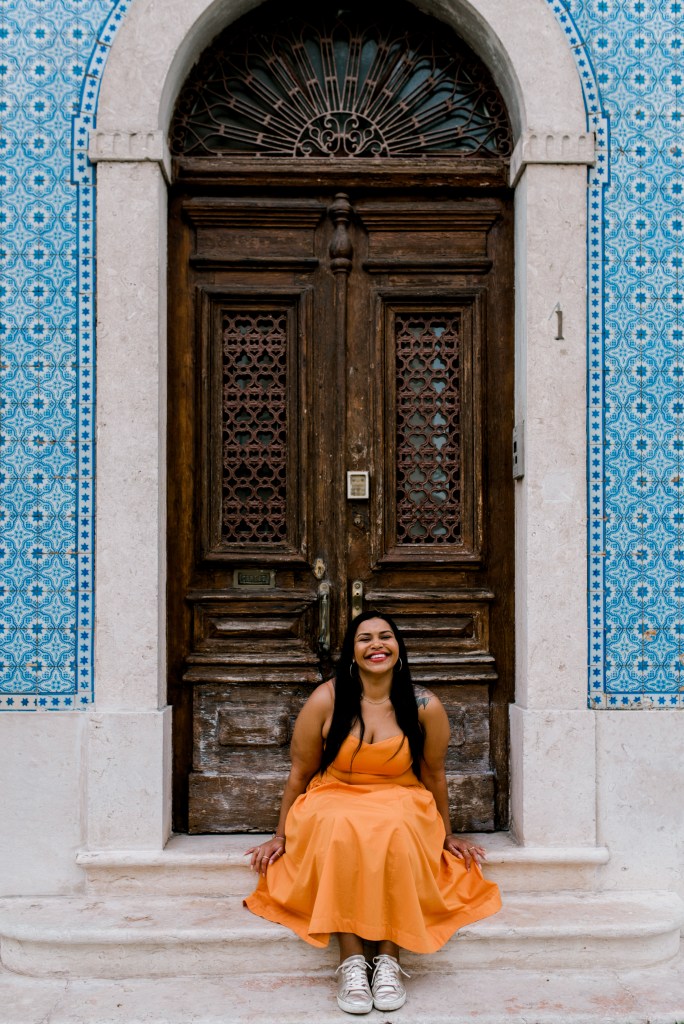
Born in Portsmouth, Virginia and raised in San Diego, California. I have a passion for exploring the world and seeing all it has to offer. Cultural experiences have shaped me into a person who tries to leave the world feeling a little more love whenever I show up. Come with me, and let’s have the best adventure!
Follow Me On
Subscribe To My Newsletter
Subscribe for new travel guides and exclusive content.
 Curves and a Carry On