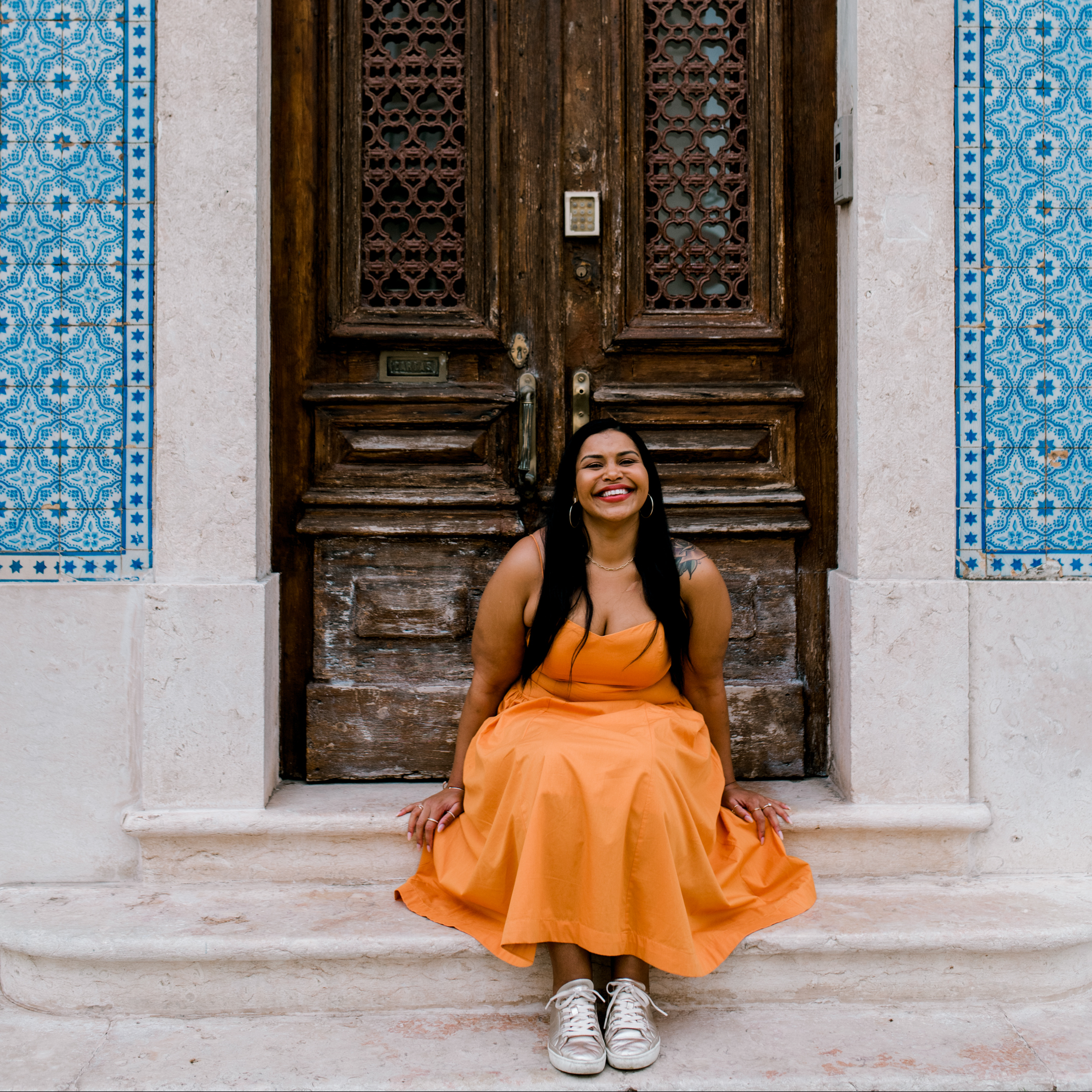
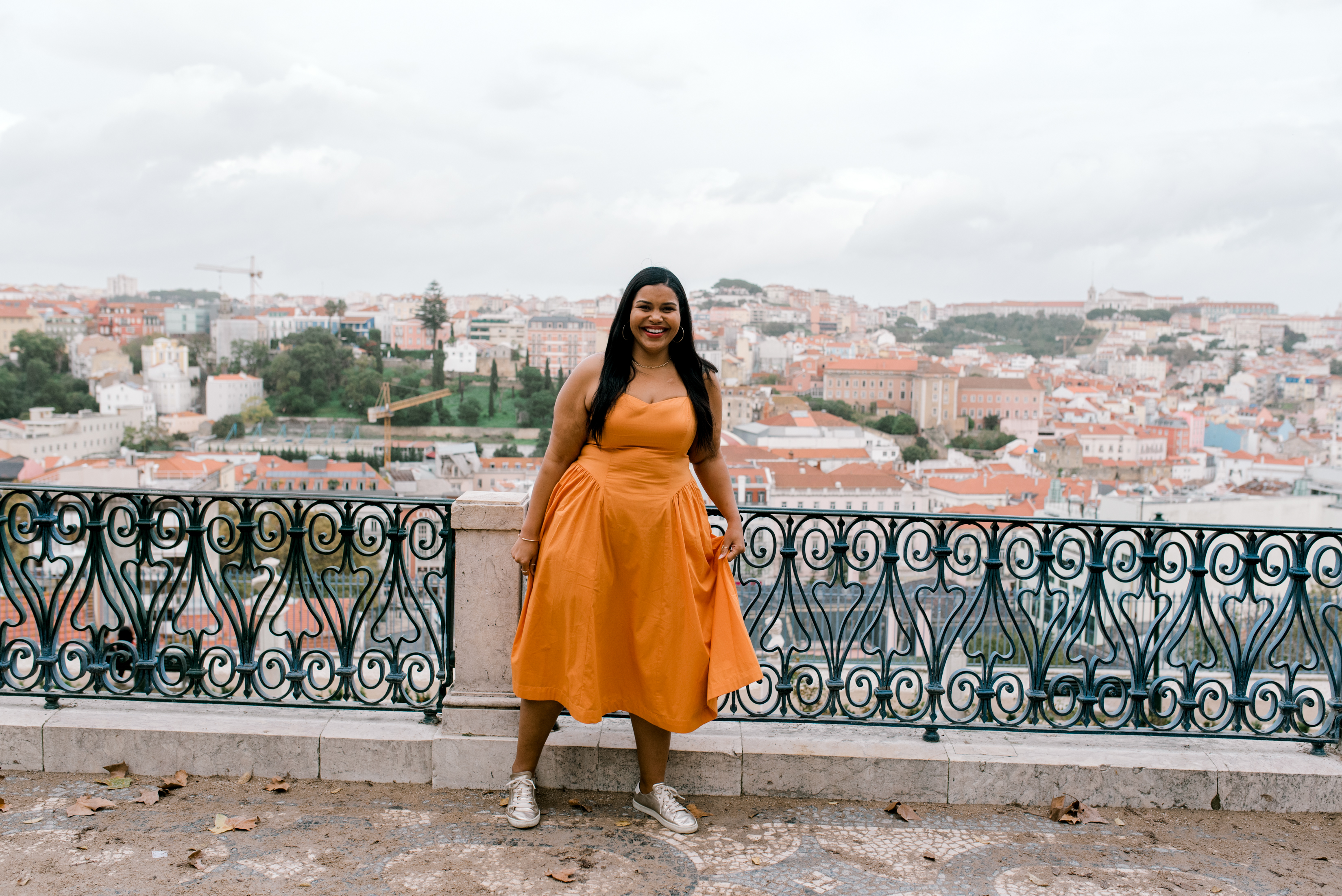
Hello, I’m Sondra!
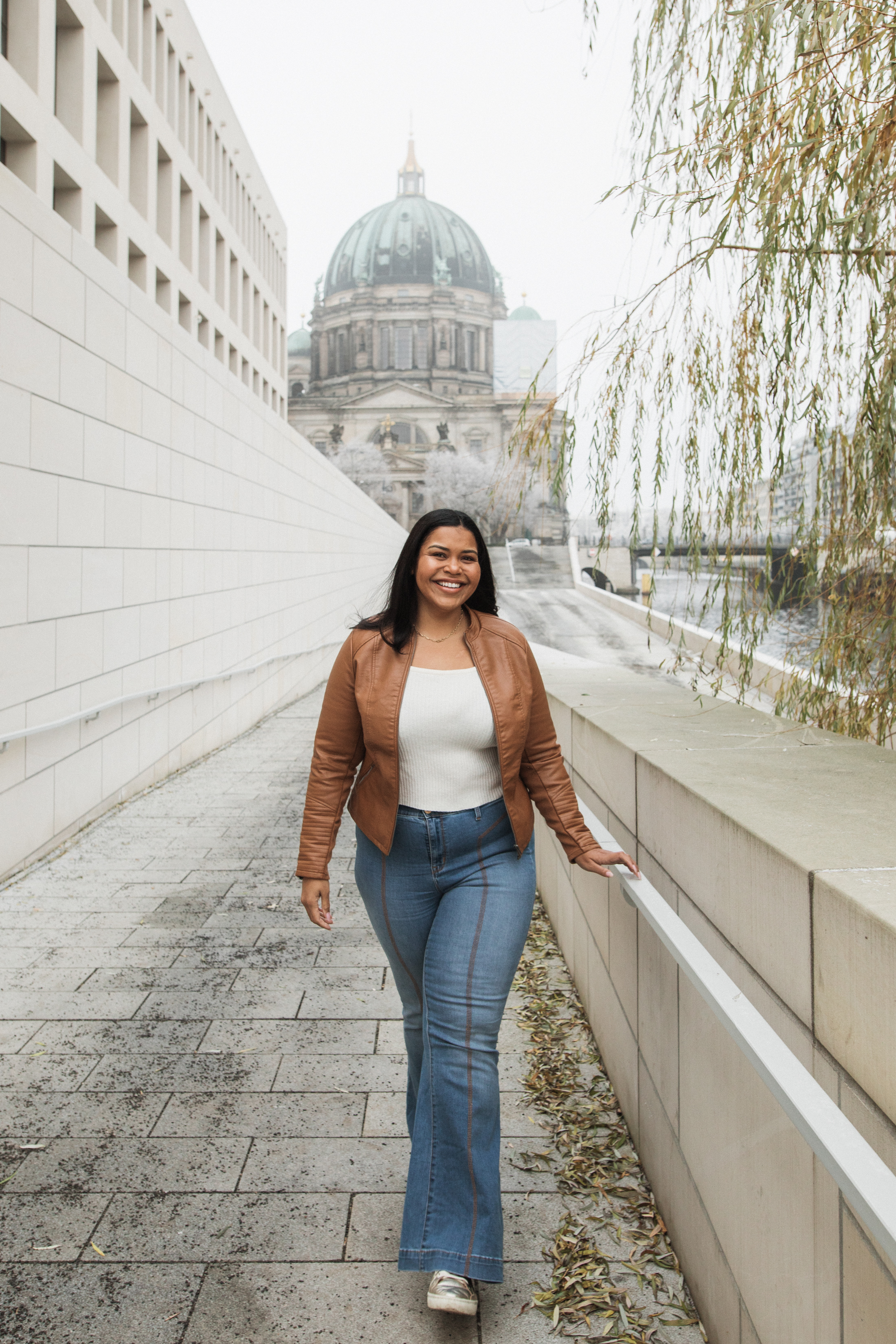
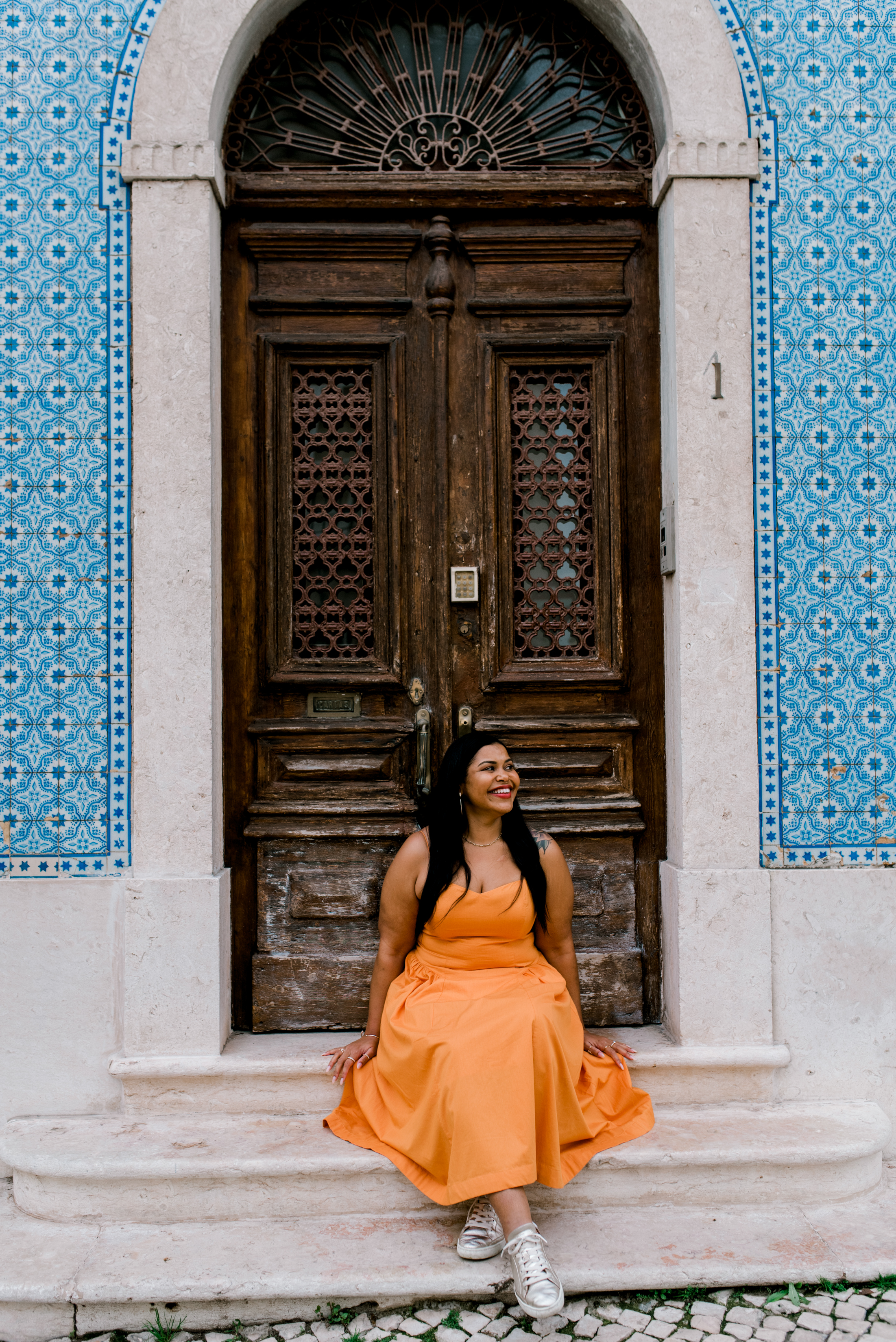
Solo Female Traveler. Part-time Model. Your Internet Bestie.

-
Currency Exchange 101: How to Make the Most of Your Money Abroad
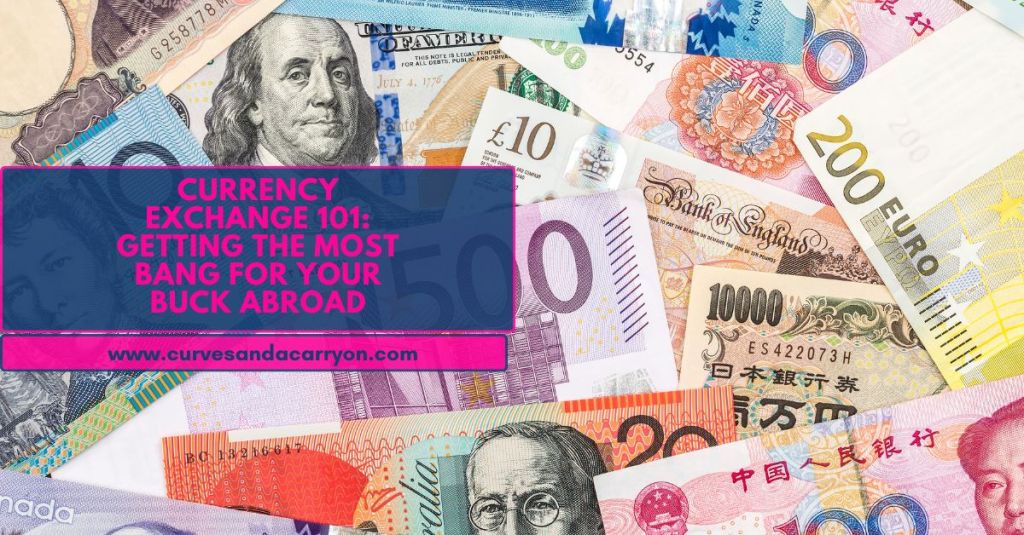
Traveling solo comes with a mix of freedom and responsibility, especially when it comes to money. Currency exchange is an important factor for any international traveler, and understanding how to get the best rates and avoid fees can help you make the most of your budget. In this post, we’ll cover everything you need to know about currency exchange, from deciding where to exchange money to tips for using international ATMs, avoiding common currency scams, and protecting your financial information while abroad.
1. Understanding Currency Exchange Basics
Currency exchange rates fluctuate constantly due to the foreign exchange (Forex) market, so the amount you receive in local currency for your home currency will vary depending on where and when you exchange. Here are some basics to keep in mind:
- Exchange Rate: This is the price of one country’s currency in terms of another. Rates are often slightly marked up by banks, ATMs, and exchange services to cover their operational costs.
- Transaction Fees: Many exchange services charge fees on top of their exchange rate markup. This can add up, especially for frequent exchanges, so look for options with minimal or no fees.
- Conversion Margins: Some places, especially airport kiosks, can charge substantial markups. These are added to the real exchange rate and can make a big difference in what you actually receive.
2. Should You Exchange Currency Before or After You Arrive?
One of the first questions travelers ask is whether it’s better to exchange money before leaving or upon arrival. Here’s a breakdown to help you decide:
Exchanging Currency Before You Go
Pros:
- Convenience: You’ll already have local currency in hand when you arrive, which can be helpful for things like taxi fare or initial expenses.
- Fixed Rate: You’ll know the rate you’re getting and can shop around for the best option ahead of time.
Cons:
- Limited Access: Not all banks carry foreign currencies, and some currencies are more difficult to get before you arrive in the country.
- Potentially Higher Fees: Local banks or currency exchanges may charge higher fees than what you would pay if you waited until arrival.
Exchanging Currency After You Arrive
Pros:
- Potential for Better Rates: Banks and ATMs in your destination often offer more competitive rates than what you’d find at home.
- More Options: Major cities will have plenty of ATMs and currency exchanges, providing flexibility if you need to change money on the go
Cons:
- Airport Markups: If you don’t exchange currency before arriving, avoid doing so at the airport unless it’s an emergency. Airport exchange counters often charge high fees and offer less favorable rates.
- ATM Access: Depending on the country and your arrival time, ATMs may not be available right away, so it’s wise to bring some cash in a widely accepted currency (like USD or EUR) as a backup.
3. Using ATMs Abroad: The Pros and Cons
International ATMs are often the easiest and most cost-effective way to get local currency. Here’s what you need to know to maximize your money:
- Use Bank ATMs: ATMs directly affiliated with banks are generally safer and offer better rates than standalone ATMs, which can have high fees and poor exchange rates.
- Check for Fees: Most banks charge international ATM fees, and some add a currency conversion fee. You may also incur fees from the foreign bank, so it’s best to research your bank’s international ATM policy.
- ATM Withdrawal Limits: Many international ATMs have low daily withdrawal limits, which can mean extra trips (and fees) to access more money. Try to find out these limits in advance if you need to withdraw larger amounts.
- Card Security: Notify your bank of your travel plans to avoid any disruptions. Also, enable two-factor authentication on your account if possible, and consider carrying a backup debit or credit card in case one gets lost or blocked.
4. Currency Exchange Kiosks: To Use or Not to Use?
Currency exchange kiosks, especially those at airports, are usually the most convenient option but not always the best in terms of value.
- Airport Kiosks: These are typically convenient, especially for last-minute exchanges, but they’re known for their high markups and service fees. Use them only if necessary, and if you do, consider exchanging only a small amount to cover initial expenses.
- City Center Kiosks: If you need to exchange cash, look for official currency exchange counters in city centers rather than airports or hotels. These tend to offer better rates.
- Tips for Safe Transactions: Avoid stand-alone or unofficial exchange kiosks, which may be more likely to engage in scams. Look for reputable exchange services, which are often located in bank buildings or major transportation hubs.
5. Protecting Yourself from Scams and Extra Fees
Unfortunately, currency exchange scams are common, especially in high-traffic tourist areas. Here are some tips to avoid falling victim to scams:
- Count Your Money: Always count the cash you receive before leaving the counter. Some exchange offices may “accidentally” shortchange you if you’re not attentive.
- Double-Check Fees: Ensure you’re aware of any service fees before you exchange your money. Some kiosks or ATMs may display fees in local currency, so take the time to understand the conversion.
- Dynamic Currency Conversion (DCC): Some ATMs or card readers offer to charge your purchase in your home currency rather than the local currency. This is called dynamic currency conversion and often comes with an unfavorable exchange rate. Opt to pay in the local currency to avoid extra fees.
6. Tips for Managing Foreign Currency
After exchanging money, it’s essential to manage your cash wisely to avoid extra exchanges and fees. Here are some helpful tips:
- Only Exchange What You Need: Plan your budget to avoid over-exchanging. If you have leftover local currency, exchanging it back to your home currency will likely incur a poor rate.
- Separate Small Bills and Coins: Many places, especially in rural areas, prefer exact change. It’s wise to keep small bills and coins easily accessible and to break larger bills as you go.
- Keep Emergency Currency: Always have a small amount of widely accepted currency, like USD or EUR, for emergencies. This can come in handy if ATMs are down or if you’re in a remote area without banking services.
7. Best Practices for Solo Female Travelers
As a solo female traveler, it’s crucial to be mindful of safety when handling cash or making transactions. Here are a few safety tips:
- Use a Money Belt or Hidden Wallet: Keep the majority of your cash in a secure location, like a money belt or hidden wallet, and only carry what you need for the day.
- Avoid Flashing Cash: Be discreet when taking out or counting money in public places to avoid drawing unwanted attention.
- Withdraw During the Day: Try to make ATM withdrawals in daylight, ideally at ATMs located inside banks or well-trafficked areas, to minimize risk.
- Know Local Currency: Familiarize yourself with the local currency’s denominations to avoid confusion when paying or counting change. Many currencies have similar-looking bills, so being informed can help you avoid mistakes.
Currency Exchange Resources
- XE Currency Converter: For up-to-date currency exchange rates, use the XE app or website to get real-time information on currency values.
- Revolut or Wise: These services offer multi-currency accounts that allow you to hold and exchange currencies at real-time rates, which can be useful for frequent travelers.
- Travel Money Cards: Prepaid travel cards allow you to load multiple currencies, and you can lock in exchange rates before your trip. Look into options like Revolut or Wise to see if they’re suitable for your travel style.
Final Takeaways
Handling currency exchange doesn’t have to be intimidating. With a bit of planning and smart decision-making, you can minimize fees, avoid scams, and make the most of your money abroad. Whether you exchange currency before you leave, use international ATMs, or opt for digital solutions, there’s a method for every solo traveler’s budget and comfort level.
Happy travels and safe spending!
-
How to Find Authentic Cultural Experiences on a Budget
There’s something truly magical about immersing yourself in a new culture, connecting with locals, and experiencing a place from a different perspective. But as a budget-conscious traveler, finding these authentic experiences can sometimes feel like a challenge. With the right approach and a little creativity, you can get a taste of local life while staying within budget. Here’s how to dive deeper into the heart of each destination without breaking the bank.
1. Stay with Local Hosts or Guesthouses
One of the best ways to experience a culture is to stay with locals, where you’ll find a more personal and culturally immersive experience. Unlike large hotels, guesthouses and homestays allow you to interact directly with local hosts who can provide insider knowledge, recommend off-the-beaten-path spots, and often introduce you to traditional meals and customs.
Tips and Resources:
- Airbnb: Choose “Private Rooms” or “Homestays” hosted by locals for a more intimate stay.
- Couchsurfing: A platform where locals offer a place to stay for free. Not only is it budget-friendly, but it’s also a way to meet people who genuinely want to share their culture.
- Host a Sister: A network specifically for female travelers to connect, host, and stay with other women worldwide.
- Workaway: A network for cultural exchange, volunteer opportunities, house-sitting and working holidays.
2. Attend Local Events and Festivals
From music festivals to local fairs, cultural events are some of the best places to experience traditions and community spirit firsthand. Many cities have free events and festivals that highlight local music, dance, food, and crafts. Not only will you get an authentic taste of the culture, but these events often welcome outsiders who want to learn.
Tips and Resources:
- Local Tourism Boards: Websites of official tourism boards often list upcoming events and festivals. For example, check out the Visit Mexico or Visit Portugal websites for regional events.
- Fest300: A resource that tracks major festivals around the world.
- Meetup: Look up cultural groups or events in your destination city, often hosted by locals who love to introduce their culture to others.
3. Join a Free Walking Tour
Walking tours, especially free ones, provide a great introduction to the history, culture, and customs of a place. Many of these tours are led by passionate locals who share personal stories and unique insights. Free tours often operate on a “pay what you can” basis, so they’re great for budget travelers. After the tour, you’ll have a solid foundation of local history and tips on places to explore further.
Tips and Resources:
- Free Tour: Find free walking tours in cities worldwide.
- Sandeman’s New Europe: Offers pay-what-you-wish walking tours in Europe, the Americas, and the Middle East.
- GuruWalk: A community of local guides worldwide who offer free tours and accept tips.
4. Dine at Family-Owned Restaurants or Food Stalls
Eating where the locals eat is one of the best (and tastiest!) ways to immerse yourself in the culture. Family-owned eateries, street food vendors, and community markets usually serve traditional dishes, often prepared with generations-old recipes. Plus, the cost is typically much lower than at mainstream tourist spots, and your money supports local families and small businesses.
Tips and Resources:
- Eatwith: Connects travelers with local hosts for shared meals and cooking classes.
- Food Tours: Devour Tours offers reasonably priced food tours led by local guides in various cities, focusing on small eateries and local foods.
- Street Food Guide Books: Check out books like Street Food by Tom Kime or Lonely Planet’s Ultimate Eatlist to find recommendations on must-try dishes and where to find them.
5. Explore Cultural Sites on Free or Discounted Days
Museums, heritage sites, and cultural landmarks often have free or discounted entry days. Many places offer significant discounts for students, young adults, and travelers, especially if you check with the tourism board beforehand. These places provide insight into a destination’s history, art, and heritage, offering a well-rounded cultural experience without the cost.
Tips and Resources:
- ICOMOS (International Council on Monuments and Sites): Lists heritage sites worldwide; some offer free entry on World Heritage Day (April 18).
- Local Tourism Websites: Check museum and landmark websites directly or visit the official tourism board’s site for free entry days. For example, Paris Museums have free entry on the first Sunday of each month.
6. Listen to Travel and Culture Podcasts
Podcasts can be a fantastic way to learn about a place’s culture before you go. Many travel and culture-focused podcasts dive into a region’s history, customs, and unique aspects, often with stories told by locals or experts. Listening beforehand helps you understand the local culture and values and might inspire new ideas for what to see or do.
Recommendations:
- The Rough Guide to Everywhere: Stories from travelers and locals about destinations around the world.
- Women Who Travel by Condé Nast Traveler: Conversations with women who travel solo, including insights on navigating local cultures.
- The Culture Trip Podcast: Highlights local cultures and unique aspects of destinations around the globe.
7. Learn About the Destination Through Books
Travel books, novels, and memoirs written by local authors or experienced travelers can provide you with unique insights and cultural context that you might miss otherwise. Reading about the culture from the perspectives of those who live it can add depth to your travels and help you form connections with people you meet along the way.
Recommended Reads:
- “The Art of Travel” by Alain de Botton – A thoughtful book about experiencing new places through the eyes of locals.
- “A Cook’s Tour” by Anthony Bourdain – A food-focused journey through local traditions, perfect for culinary exploration.
- “In Patagonia” by Bruce Chatwin – A classic travel memoir that beautifully captures the spirit of travel and adventure in South America.
Final Tips: Immerse Yourself Authentically
When traveling on a budget, remember that authentic experiences are often the ones that cost the least. A simple conversation with a local vendor, a homemade meal at a guesthouse, or a stroll through a community market can be far more memorable than expensive, packaged tours. Embrace the slow moments, be curious, and approach each destination with an open mind.
Traveling authentically isn’t about seeing it all—it’s about genuinely connecting with the places you visit. So go out there, make memories, and let your journey be a positive contribution to the local community!
Happy travels!
-
Empowering Female Entrepreneurs: How to Support Women-Owned Businesses Abroad as a Female Traveler

Traveling to a new destination is an opportunity not only to explore new sights but also to support the local economy, and one of the most impactful ways to do this is by uplifting women-owned businesses. Female entrepreneurs are critical contributors to economic growth in their communities, yet they often face unique challenges in accessing resources and markets. Supporting these businesses directly as a traveler allows you to contribute to local empowerment, deepen your cultural experience, and take home meaningful stories and products.
Here’s how you can actively seek out and support women-owned businesses wherever your travels may take you.
1. Research Women-Owned Businesses in Advance
A little research before your trip can go a long way in helping you identify women-led businesses at your destination. Start by looking up articles, blogs, or local directories that spotlight female entrepreneurs and women-owned ventures in the area. Some countries even have associations or networks of women-owned businesses that can guide you in the right direction.
Helpful Resources:
- Google: Search “women-owned businesses in [destination]” to find lists, news articles, and directories featuring local female entrepreneurs.
- Social Media: Follow hashtags like #WomenOwnedBusiness, #SupportWomenEntrepreneurs, or #FemaleFounder. Instagram, Facebook, and LinkedIn can be great platforms for discovering small businesses and finding personal stories from women founders.
- Local Tourism Boards: Many tourism websites and visitor centers will promote women-led initiatives as part of their sustainable tourism efforts. For instance, Visit Iceland highlights several women-owned businesses, from eco-friendly accommodations to guided tours.
- Women-Led Tour Companies: Websites like Women Who Travel and SheFari specialize in women-centered travel and can point you to businesses and tour operators led by women.
2. Look for Female-Owned Shops and Markets
Many women-owned businesses are part of local markets or small shops. Shopping at these locations allows you to purchase authentic, locally made goods while directly supporting a female entrepreneur. These shops often feature handmade crafts, textiles, jewelry, and even local delicacies—products that carry stories and heritage unique to the destination.
Tips for Spotting Women-Owned Shops:
- Check for “Woman-Owned” Signage: Some stores proudly display signs indicating they’re women-owned. Keep an eye out for signs that say “female-owned” or “woman-owned business.”
- Ask Locals: If you’re staying in a homestay or have a local guide, ask them about women-led shops. Locals often know where to find hidden gems and are usually happy to recommend businesses.
- Visit Community Markets: Markets are often where women entrepreneurs thrive. These are excellent places to find handmade products and have personal interactions with the artisans.
Examples:
- In Mexico, visit Mercado de San Juan in Mexico City, where many women artisans sell their crafts.
- In Morocco, the Essaouira Women’s Cooperative is a fantastic place to buy argan oil directly from female cooperatives, supporting their economic independence.
3. Stay at Women-Operated Accommodations
Accommodation is a significant part of your travel budget, so choosing to stay in a woman-owned guesthouse, bed-and-breakfast, or boutique hotel can make a meaningful impact. These places also provide an opportunity to experience local culture on a deeper level since the hosts are often eager to share their knowledge and stories.
Ways to Find Women-Owned Lodging:
- Booking Platforms: Some platforms like Airbnb now have filters for women-owned accommodations. Also, websites like Bed and Breakfast and Booking.com sometimes highlight unique, female-owned stays.
- Airbnb Experiences: While Airbnb doesn’t explicitly label women-owned accommodations, reading the host’s profile can help you identify women-led stays. Hosts often mention their stories and why they started their business, giving insight into their ownership.
Example:
- In Nepal, look for homestays that are part of women’s cooperatives, where female hosts offer accommodations, meals, and cultural experiences that directly benefit local women and their families.
4. Book Tours and Experiences Led by Female Guides
Female tour guides often bring a unique perspective to their work, sharing personal stories and highlighting aspects of the culture that might otherwise go unnoticed. Many countries have associations of women tour guides who provide specialized tours that reflect their perspectives and expertise.
How to Find Women-Operated Tours:
- SheFari: This platform specializes in women-led travel experiences and tours worldwide.
- Local Tour Operators: Look for operators that mention women-led experiences, like the Intrepid Travel’s Women’s Expeditions, which are designed for female travelers and run by female guides.
Examples of Women-Led Tours:
- In India, companies like Women on Wanderlust (WOW) offer tours exclusively for women, led by female guides, and often incorporate social initiatives that empower local women.
- In Morocco, you can join a women-led tour of Marrakesh’s medinas, where female guides introduce you to local artisans and women’s cooperatives.
5. Dine at Female-Run Cafés and Restaurants
Food is one of the best ways to experience a new culture, and eating at women-owned restaurants supports female chefs, small business owners, and culinary traditions. Many female entrepreneurs own cafés, bakeries, or even small family-style restaurants that offer an authentic taste of the local cuisine.
How to Find Women-Owned Eateries:
- Google and TripAdvisor: Look for dining recommendations under “women-owned restaurants” in your destination.
- Food Tour Operators: Some food tours specifically focus on women-led establishments. These tours introduce you to local dishes while supporting female restaurateurs and chefs.
- Social Media Recommendations: Follow travel bloggers and influencers who highlight women-owned restaurants.
Examples:
- In Thailand, Cabbages & Condoms in Bangkok is a unique restaurant supporting female empowerment and community projects.
- In Italy, Casa di Roma in Rome is owned and operated by a female chef who offers traditional Roman dishes with her unique twist.
6. Buy Souvenirs and Gifts from Women Artisans and Cooperatives
Souvenirs that carry the story of the hands that made them are far more meaningful than mass-produced goods. Women artisans worldwide produce stunning textiles, jewelry, pottery, and crafts that reflect their cultures and personal stories. By purchasing directly from these artisans, you help preserve their crafts and support their livelihood.
Where to Find Women Artisans:
- Women’s Cooperatives: In many regions, women’s cooperatives produce handcrafted items that you can buy directly from the source. For example, in Peru, the Centro de Textiles Tradicionales del Cusco supports female weavers who create traditional textiles.
- Social Enterprises and Nonprofits: Organizations like Global Goods Partners and Accompany partner with female artisans and offer their products online, which also provides inspiration for what to look for on your travels.
Examples of Artisans’ Markets:
- In Guatemala, the Mercado de Artesanías in Antigua features stalls where female artisans sell traditional handwoven textiles and crafts.
- In Kenya, the Kazuri Beads Factory offers handmade ceramic jewelry created by women, providing fair wages and support for single mothers.
7. Spread the Word About Women-Owned Businesses
One of the best ways to support female entrepreneurs abroad is by sharing your experiences. Leave positive reviews on platforms like Google, Yelp, or TripAdvisor, or post on social media to let others know about the incredible women you encountered. This helps them gain more visibility, which is essential for small businesses.
Social Media Tips:
- Tag businesses and use hashtags like #SupportWomenOwned or #WomenEmpoweringWomen to help other travelers find them.
- Post reviews that highlight specific products, services, or experiences you enjoyed—this personal touch can draw more people to support these businesses.
Final Thoughts
Traveling mindfully and supporting women entrepreneurs abroad creates a ripple effect that benefits entire communities. By actively seeking out and engaging with women-led businesses, you can enjoy a richer travel experience, foster cross-cultural connections, and play a small part in empowering women worldwide. Happy travels!
-
How to Reach Out to Tourism Boards for Sponsored Trips and Experiences as a Travel Blogger
As a travel blogger, collaborating with tourism boards can be a fantastic way to grow your brand, create engaging content, and enjoy incredible destinations while minimizing expenses. Tourism boards are eager to promote their locations to a wider audience, especially through authentic, personal perspectives like those travel bloggers offer. Here’s a guide on reaching out to tourism boards for sponsorships, including directories, sample pitches, and tips for making your proposal stand out.
1. Research the Right Tourism Boards
Start by identifying tourism boards that align with your niche and audience. For example, if you focus on adventure travel, target destinations known for outdoor activities. Consider looking into boards representing cities, regions, and even countries, depending on the scale of your content. Here are some directories to help you get started:
- Tourism Marketing Directories: Websites like Travel & Tourism Directory and Tourism Tiger provide contact details for tourism boards around the world.
- Tourism Board Websites: Visit official tourism board sites (e.g., VisitBritain, Australia.com, and Canada Tourism) to find press and media contact details.
- Email Directories and Lists: You can find tourism board contacts through professional networking sites like LinkedIn or specific tourism industry directories, such as Cision, which offers media lists.
2. Preparing Your Pitch
When reaching out, keep in mind that tourism boards receive countless requests. Your pitch should showcase why you’re the perfect fit, what value you can bring, and how your content aligns with their marketing goals.
Sample Email Pitch
Subject Line: Partnership Opportunity – Promoting [Destination] to [Your Audience Type]
Dear [Tourism Board Contact’s Name],
I hope this message finds you well! My name is [Your Name], and I’m a travel blogger at [Your Blog Name or Instagram Handle] with a dedicated audience of over [Number] followers/readers who are passionate about [specific niche – adventure travel, solo female travel, sustainable tourism, etc.].
I’m reaching out because I believe [Destination] would resonate deeply with my audience, and I would love to collaborate with [Tourism Board Name] to highlight the unique experiences your destination offers. I’m especially interested in exploring [mention any specific attraction, festival, or theme relevant to the destination].
Here are some of the ways I envision creating value for [Tourism Board Name]:
- Engaging Social Media Content: A series of posts and stories capturing [specific experiences like local culture, food tours, landmarks, etc.].
- Blog Articles: In-depth articles on [specific themes, such as the best hidden gems, cultural festivals, eco-friendly accommodations].
- Video Content: Engaging reels or short videos showcasing highlights from the trip, designed to reach a larger audience on [mention your platform].
With my strong focus on authentic storytelling and visual content, I can bring [Destination]’s unique qualities to a broader audience who is genuinely interested in meaningful travel experiences. Please let me know if there’s an opportunity to work together or if you’d like to discuss a potential collaboration in more detail. I’d be happy to provide additional insights, including my media kit and analytics.
Thank you for considering this partnership opportunity. I look forward to the possibility of showcasing the beauty of [Destination] with your support.
Warm regards,
[Your Full Name]
[Your Blog/Instagram/Website Name]
[Your Contact Information]
[Link to Media Kit]
3. Tips for Standing Out Among Other Travel Creators
Tourism boards often receive multiple requests, so making a lasting impression is essential. Here are some tips to help your pitch stand out:
- Present a Unique Angle: Think about what makes your content different from others. Do you specialize in eco-friendly travel, adventure tourism, or budget trips? Make sure to communicate how your perspective aligns with the tourism board’s goals and the interests of your audience.
- Leverage Analytics: Use metrics that showcase the value of your content. If you have strong engagement on specific platforms, mention it. Highlight key stats like monthly traffic, Instagram reach, engagement rates, or audience demographics. Tourism boards want to know that their investment will translate to visibility.
- Showcase Past Collaborations: If you’ve worked with brands or tourism boards before, provide examples of successful collaborations. Include metrics that indicate engagement, reach, or even testimonials from past partnerships.
- Pitch Content Ideas Upfront: Propose a few content angles you think would work well for their destination. For example, you could offer to create a “Hidden Gems of [Destination]” series or feature a specific holiday or cultural event. Specific ideas show that you’ve done your homework and have a vision for the partnership.
- Be Flexible and Open to Ideas: Tourism boards may have particular campaigns or target audiences they want to reach. Demonstrate your flexibility to adapt your content style to meet their needs, whether that means focusing on a family-friendly theme, sustainable tourism, or a specific local event.
- Include a Media Kit: A media kit with your stats, demographics, previous collaborations, and testimonials can greatly enhance your credibility. Make sure it’s visually appealing and easy to read, as tourism board representatives often have limited time.
4. Follow-Up and Build Long-Term Relationships
After sending your pitch, follow up in about a week if you don’t receive a response. Often, tourism boards may be interested in working with you but need time to coordinate or evaluate their options.
If you establish a collaboration, go above and beyond to deliver high-quality content, then follow up with the tourism board post-trip. Share metrics and results, along with any feedback from your audience. Showing your professionalism and reliability can help you form lasting relationships, making it more likely that they’ll want to work with you again in the future.
5. Stay Inspired by Other Travel Content Creators
Keep an eye on successful travel bloggers who have previously collaborated with tourism boards. You can gain insights into what types of content work well and what ideas might inspire your own.
Working with tourism boards can open up incredible travel opportunities while helping to grow your brand. With a targeted approach, a unique perspective, and professional communication, you’ll be well on your way to forming exciting partnerships!
Chime In! Where have travel partnerships taken you? Where is your dream partnership trip to? I want to know in the comments!
-
The Ultimate Guide to Unique Christmas Markets and Holiday Festivals Around the World
As a solo female traveler with a deep love for exploring the world, the holiday season always beckons with promises of festive lights, cozy traditions, and the warmth of cultural celebrations. Christmas markets and holiday festivals are the perfect gateways to experience a place’s unique seasonal magic, and they often provide a comforting sense of community and joy to those traveling alone. Whether you’re dreaming of snow-dusted villages, sipping on mulled wine, or immersing yourself in vibrant traditions, here’s a list of some of the most distinctive holiday markets and festivals from around the world.
1. Christkindlesmarkt – Nuremberg, Germany
Dates: November 29 – December 24, 2024
Website: Christkindlesmarkt Nuremberg
Tourism Board: Nuremberg TourismGermany is famous for its Christmas markets, but Nuremberg’s Christkindlesmarkt is one of the most traditional and beloved. This 400-year-old market is held in the city’s main square and is a blend of historical charm and festive spirit. From classic stalls selling handcrafted ornaments to live choirs and performances by the “Christkind” angel herself, this market truly encapsulates German Christmas magic.
2. Winter Wonders Festival – Brussels, Belgium
Dates: November 29, 2024 – January 5, 2025
Website: Winter Wonders Brussels
Tourism Board: Visit BrusselsIn the heart of Belgium, the Winter Wonders Festival brings Brussels alive with lights, a grand Christmas tree, a Ferris wheel, ice-skating rinks, and over 200 market stalls. This event, spanning over five weeks, is not just a Christmas market but a full festival experience with international food options, light shows, and cultural performances. The UNESCO-listed Grand Place is particularly breathtaking during the holiday season.
3. Sapporo Snow Festival – Sapporo, Japan
Dates: February 4-11, 2025
Website: Sapporo Snow Festival
Tourism Board: Japan National Tourism OrganizationWhile not strictly a Christmas market, the Sapporo Snow Festival is a winter wonder that should be on every traveler’s bucket list. Held annually in February, this festival features gigantic, intricate ice and snow sculptures, many inspired by international themes. Enjoy local treats like Hokkaido ramen while exploring the snow-covered landscapes, making it a uniquely Japanese holiday experience.
4. Christmas by the Sea – Ogunquit, Maine, USA
Dates: December 6-8, 2024
Tourism Board: Visit MaineFor a charming seaside twist on holiday traditions, head to Ogunquit, a cozy town in Maine. Their Christmas by the Sea festival features Santa arriving by lobster boat, tree lighting, caroling, and craft fairs that celebrate New England’s coastal culture. The festival is perfect for those looking for a more relaxed, homey holiday experience, complete with bonfires on the beach and lobster-themed decor.
5. The Great Dickens Christmas Fair – San Francisco, California, USA
Dates: Select dates from November 23 to December 22, 2024
Website: The Great Dickens Christmas Fair
Tourism Board: San Francisco TravelStep into Victorian London at this immersive fair where actors in period costume bring Charles Dickens’ Christmas stories to life. This fair features shops, pubs, and parlors styled in true Dickensian fashion, complete with street urchins, chimney sweeps, and even Scrooge himself! It’s an incredibly unique twist on traditional Christmas markets, with theater performances, music, and delightful Victorian-era treats.
6. Montreux Noël – Montreux, Switzerland
Dates: November 22 – December 24, 2024
Website: Montreux Noël
Tourism Board: Montreux Riviera TourismSet along the beautiful shores of Lake Geneva with a stunning Alpine backdrop, Montreux Noël has a truly magical atmosphere. The market features charming wooden chalets, a “House of Santa Claus” perched high up in the nearby mountains, and the Flying Santa experience. For solo travelers, the scenic surroundings and Swiss delicacies like fondue make it a dream come true.
7. Tallinn Christmas Market – Tallinn, Estonia
Dates: November 29, 2024 – January 7, 2025
Website: Tallinn Christmas Market
Tourism Board: Visit EstoniaTallinn’s Christmas Market, set in the historic Old Town, is like stepping into a fairy tale. Snow-covered medieval buildings surround the main square, where a beautifully decorated tree stands proudly, and vendors sell everything from traditional Estonian crafts to spiced mulled wine. This market is known for its unique Baltic ambiance and a quieter, more intimate feel, perfect for solo travelers looking for a peaceful escape.
8. Night of the Radishes – Oaxaca, Mexico
Dates: December 23, 2024
Tourism Board: Visit MexicoFor something entirely different, Oaxaca’s “Noche de Rábanos” is a quirky holiday celebration that centers on elaborately carved radishes. Artists create intricate sculptures of nativity scenes, local festivals, and folk art out of radishes, bringing an imaginative and colorful element to the holiday season. This one-night-only event draws both locals and international travelers eager to experience Mexico’s unique traditions and lively atmosphere.
9. Toronto Christmas Market – Toronto, Canada
Dates: November 14 – December 22, 2024
Website: Toronto Christmas Market
Tourism Board: Destination TorontoToronto’s Christmas Market in the historic Distillery District is one of North America’s best holiday markets, with cobblestone streets and Victorian buildings adorned with festive lights. The market offers traditional European food, unique artisan stalls, and even a light tunnel! With choirs, carolers, and festive performances, this market brings a bit of old-world charm to Canada’s biggest city.
10. Copenhagen’s Tivoli Gardens Christmas Market – Copenhagen, Denmark
Dates: November 16 – December 31, 2024
Website: Tivoli Gardens Christmas
Tourism Board: Visit CopenhagenTivoli Gardens transforms into a winter wonderland during the holidays, with fairy lights, festive decorations, and Nordic-style wooden houses. Enjoy traditional Danish treats, such as gløgg (mulled wine) and æbleskiver (pancake puffs), while exploring the enchanting garden setting. This market also features theme-park rides, making it ideal for travelers looking for a unique blend of tradition and adventure.
Wherever you choose to go, holiday markets and festivals offer a beautiful way to experience diverse cultural traditions, savor local treats, and enjoy the festive season in new and exciting ways. For solo travelers, these celebrations are a wonderful reminder of the warmth and connection that come with the holidays, even when you’re far from home.
About Me
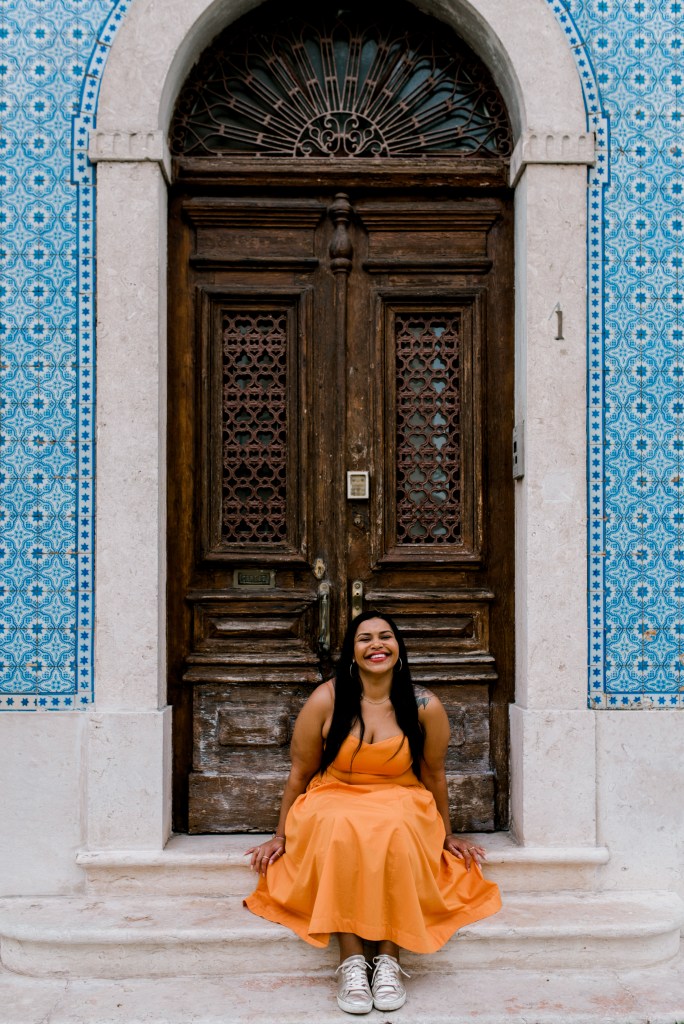
Born in Portsmouth, Virginia and raised in San Diego, California. I have a passion for exploring the world and seeing all it has to offer. Cultural experiences have shaped me into a person who tries to leave the world feeling a little more love whenever I show up. Come with me, and let’s have the best adventure!
Follow Me On
Subscribe To My Newsletter
Subscribe for new travel guides and exclusive content.
 Curves and a Carry On