

Hello, I’m Sondra!
Solo Female Traveler. Part-time Model. Your Internet Bestie.



-
Moving to Italy and Buying Property: A Comprehensive Guide for Aspiring Expats

If you’re dreaming of a life “under the Tuscan sun” (or the Apulian sun, in my case), exploring Italy’s rich history, art, and culture while savoring delicious food and wine, moving to Italy and buying property could be a life-changing decision. Italy offers a range of living options, from bustling cities like Rome and Milan to quiet countryside retreats and coastal paradises.
As my life has changed over the past three years, my biggest priority has been finding a way to make it to Italy to live la dolce vita. I’ve done the research, and I thought I’d share some of what I learned for others looking to make their way to my favorite place in the world.
Here’s a comprehensive guide for aspiring expats on how to make the move and invest in Italian property.
1. Understand Italian Residency Options
Before you can buy property in Italy as an expat, it’s essential to know your residency and visa options.
EU/EEA Citizens: If you’re from an EU or EEA country, you’re in luck! You can move to Italy without needing a visa, but you will need to register with the local authorities after three months.
Non-EU Citizens: Non-EU citizens need to apply for a visa. The most common visas include:
– Elective Residency Visa: Ideal for retirees or individuals who can support themselves without working.
– Work Visa: If you’ve secured employment in Italy. I’ll be sharing more here on the blog soon for options to work as an American in Italy, with or without a degree or fluency in the Italian language (although, I strongly feel if you plan to move somewhere, you should arrive with a knowledge of the language to give you a level of independence and self sufficiency).
– Student Visa: For those pursuing education in Italy.
– Investor Visa: For those looking to invest in Italian businesses or real estate.
Worth noting: Once you’ve officially moved to Italy, you’ll need to apply for a Permesso di Soggiorno (Residence Permit) within 8 days of arrival.
2. Decide Where to Live
Italy offers a diverse range of environments, each with its unique charm. Here are a few options to consider:
– City Life: Major cities like Rome, Milan, Florence, and Venice offer incredible culture, employment opportunities, and vibrant social scenes.
– Countryside Retreat: Tuscany, Umbria, and the rural parts of Puglia and Sicily provide idyllic, peaceful settings with beautiful landscapes, vineyards, and charming villages.
– Coastal Towns: For those drawn to the sea, areas like the Amalfi Coast, Sardinia, or Liguria offer breathtaking views and a more relaxed pace of life.
– Historical Towns: Consider smaller, historical towns like Perugia, Siena, or Lecce if you want rich culture without the fast-paced city life.
3. Understanding the Italian Property Market
Italy’s real estate market is vast and varied. Property prices can fluctuate significantly depending on location, property type, and local demand.
– Popular Areas: Major cities and coastal regions tend to be pricier. For example, a property in Florence, Milan, or on the Amalfi Coast will cost significantly more than a house in a rural area.
– Affordable Areas: Southern regions like Puglia, Calabria, and Sicily offer more affordable options, and some villages even sell homes for as little as €1 to attract new residents (though these often come with renovation obligations).
– Property Types: Properties range from modern apartments in city centers to traditional countryside villas and rustic farmhouses.
4. Buying Property in Italy: Step-by-Step
Once you’ve decided where to live, the next step is buying property. The process can be relatively straightforward but does require careful planning and expert assistance.
Step 1: Find a Reliable Real Estate Agent (Agenzia Immobiliare)
Real estate agents in Italy can assist with navigating the market, property viewings, and the legal aspects of purchasing a home. Choose one who is fluent in English and understands your needs as an expat.
Step 2: Make an Offer (Proposta d’Acquisto)
Once you’ve found the property you want, you’ll submit a Proposta d’Acquisto, a written offer that is typically accompanied by a small deposit (between 1% to 5% of the property price). If accepted, the property will be taken off the market while contracts are drawn up.
Step 3: Sign the Preliminary Agreement (Compromesso)
Next is signing the Compromesso, a preliminary contract that formalizes the agreement between buyer and seller. At this point, you’ll pay a larger deposit (10%-30% of the purchase price). This contract is legally binding, and backing out could result in the loss of your deposit.
Step 4: Finalize the Purchase (Rogito)
The final stage is the Rogito, the deed of sale, which takes place in front of a notary. Both parties sign the contract, and you’ll transfer the remaining funds. The notary will register the sale, making it official. At this point, the property is yours!
5. Financing the Purchase
Most expats either pay for their property in cash or secure financing through an Italian bank. Italian banks do offer mortgages to non-residents, but the process can be more stringent than in some other countries.
– Mortgage Terms: Italian banks typically require a 30%-40% down payment, and mortgage terms can range from 5 to 30 years.
– Interest Rates: Interest rates in Italy are generally low compared to other countries in Europe and the U.S., though the rate you receive will depend on your creditworthiness.
– Required Documents: Expect to provide proof of income, financial history, and property details. Having an Italian tax code (Codice Fiscale) is also essential.
6. Tax Implications and Costs
When buying property in Italy, there are several taxes and fees to consider:
– Property Taxes: Italy charges a” purchase tax”, which varies depending on whether the property is your primary residence or a second home. For primary residences, the tax rate is typically 2%-4% of the property’s cadastral value (which is often lower than the market value). For second homes, the rate rises to 9%.
– Ongoing Taxes: After purchase, you’ll also be responsible for ongoing taxes, including IMU (a property tax) and TARI (waste disposal tax). These vary based on the property’s location, size, and category.
– Additional Costs: You’ll also need to account for notary fees (typically 1%-2% of the purchase price), real estate agent fees (around 3%-5%), and legal fees for your lawyer.
7. Renovation and Maintenance
If you purchase an older or more rural property, renovations may be necessary. Italy has strict regulations concerning the restoration of historical or traditional homes, so you’ll need approval from local authorities before making any significant changes. However, there are also government incentives for restoring older homes, including tax deductions and grants for energy efficiency improvements.
8. Living in Italy: Lifestyle and Culture
Once you’ve moved and settled into your new Italian home, life as an expat offers a rich tapestry of experiences.
– Language: While major cities have a large number of English speakers, learning Italian will significantly enhance your experience and help you integrate into the local community.
– Healthcare: Italy has a public healthcare system (Servizio Sanitario Nazionale or SSN), which offers high-quality care. As an expat, you may qualify for public healthcare, but private insurance is recommended initially, especially if you’re a non-EU citizen.
– Cost of Living: Italy’s cost of living varies widely depending on the region. While Milan and Rome are relatively expensive, rural areas and smaller towns offer a more affordable lifestyle.
– Embracing Italian Culture: Life in Italy moves at a slower pace. Family, food, and leisure are at the heart of Italian culture. Be prepared to embrace long meals, a strong sense of community, and a different work-life balance.
9. Hiring Experts for a Smooth Transition
It’s essential to seek out professionals to assist in the transition:
– Lawyer: Hiring a lawyer who specializes in Italian real estate law is crucial to ensure all legal matters are handled correctly.
– Tax Consultant: Since Italy’s tax system can be complex, especially for expats, working with a tax advisor who understands international tax laws is beneficial.
– Moving Specialists: Consider hiring relocation experts to assist with the logistics of moving, from shipping belongings to handling bureaucratic paperwork.
Ok….Let’s Wrap this Up, Sondra!
I know, I know. It’s a lot of info.
Moving to Italy and buying property is a rewarding experience that requires careful planning, research, and understanding of local laws. Whether you’re seeking a cosmopolitan lifestyle in a city or a tranquil retreat in the countryside, Italy offers something for every expat. With the right preparation, your dream of la dolce vita can become a reality!
Happy house hunting and benvenuti in Italia!
-
The American Expat’s Guide to Buying Property in Italy with Home “Schemes” for the Dreamy Bella Vita

Ah, Italy—the land of rolling Tuscan hills, charming coastal villages, and vibrant piazzas. It’s a country that captures the hearts of travelers and often leaves them asking, “What if I could actually live here?” For many Americans, the dream of owning a home in Italy isn’t as far-fetched as it might seem. With affordable property prices and unique home schemes, you could soon be sipping espresso on your very own Italian balcony.
In this guide, we’ll walk through everything you need to know about buying property in Italy, including the famous €1 home schemes, regional gems to explore, and essential tips to navigate the process.
The €1 Home Schemes: Myth or Magic?
Yes, you read that right—homes for €1 (about $1.10). Several picturesque Italian towns offer abandoned homes at a symbolic price to attract new residents and revive their communities. However, this isn’t a no-strings-attached deal. These homes often require significant renovations, and buyers must commit to completing the work within a set timeframe.
Here are a few towns currently offering €1 homes:
- Sambuca, Sicily: Known for its Mediterranean views and charming alleys, this town has been a hotspot for international buyers.
- Mussomeli, Sicily: With over 100 homes available, Mussomeli offers opportunities to own a piece of Italian history.
- Carrega Ligure, Piedmont: If you love mountains and cooler weather, this Alpine village is for you.
🛠️ Pro Tip: Renovation costs vary, so be prepared to invest €20,000–€50,000 ($21,000–$53,000) or more, depending on the property’s condition.
👉 Resources:
- Case a 1 Euro (Official €1 Home Listings)
- Gate-Away (Real Estate Listings Across Italy)
Affordable Regions to Consider
If a €1 home feels like too much work, there are plenty of affordable properties in other parts of Italy. Some regions are particularly enticing for their mix of affordability, lifestyle, and investment potential.
Abruzzo
Often called the “green heart of Europe,” Abruzzo is a paradise for nature lovers with mountains, beaches, and medieval towns. Properties here are a steal compared to Tuscany or Umbria, with homes starting at around €30,000 ($32,000).
Puglia
The heel of Italy’s boot, Puglia is famous for its whitewashed villages, olive groves, and sunny coastline. You can find renovated homes for as little as €50,000 ($53,000).
Le Marche
This lesser-known gem offers rolling hills, vineyards, and quaint towns reminiscent of Tuscany—at a fraction of the cost. Prices for country homes start around €40,000 ($42,000).
👉 Resources:
- Idealista (Extensive Property Listings)
- Italy Magazine’s Real Estate Section
Steps to Buying Property in Italy
Buying property in Italy is straightforward, but it’s essential to follow the correct steps to avoid headaches.
- Hire a Local Real Estate Agent
A good agent will be your guide to the local market and help you navigate Italian bureaucracy.
👉 Recommended Agencies:
- Get a Codice Fiscale
This tax identification number is required for any financial transaction in Italy. You can get it through the Italian Consulate in the U.S. or in Italy itself. - Open an Italian Bank Account
Most sellers require payments through an Italian bank. Research options before committing to one. - Make an Offer and Sign the Preliminary Agreement
Once you find your dream property, your agent will help you negotiate. The preliminary agreement (Compromesso) secures the deal. - Hire a Notary
In Italy, a notary (Notaio) is essential for the final sale. They ensure all documents are legal and the property is registered. - Finalize the Sale
Sign the deed (Rogito) and receive the keys to your new home!
Why Buying in Italy is Worth It
Aside from the obvious perks—breathtaking landscapes, incredible food, and la dolce vita—owning property in Italy offers financial benefits. You could transform your home into a rental property, host retreats, or even run a B&B.
Plus, with Italy offering long-term visas for property owners, it’s a step toward living in Italy full-time.
Final Tips for American Buyers
- Budget for Additional Costs
Expect to pay about 10–15% of the property’s value in taxes, fees, and commissions. - Learn Some Italian
While many locals speak English, knowing the basics can help in rural areas. - Visit in Person
Photos can be deceiving. Visit the property to ensure it matches your expectations.
Your Italian Dream Awaits
Whether you’re dreaming of a rustic countryside retreat, a seaside escape, or an investment opportunity, Italy has something for everyone. With a little research and planning, you could be living (or vacationing) under the Italian sun sooner than you think.
Have questions or tips about buying property in Italy? Drop a comment or DM me on Instagram at @curvesandacarryon. Let’s turn that dream into reality!
Buona fortuna e arrivederci! 🌟
-
Navigating Airport Amenities for a Smooth Journey: The Ultimate Guide for Weary (or Just Bored) Travelers

For solo female travelers, making the most of airport amenities can turn a long layover into a time of relaxation, productivity, or even personal wellness. From sleep pods to outdoor lounges, many airports now provide a variety of thoughtful spaces designed to make your journey easier and more enjoyable. Here’s a guide to navigating some of the best amenities you’ll find in airports around the world!
1. Sleep Pods and Rest Zones
After a long flight or during an extended layover, sleep pods can be a lifesaver. These private, compact spaces offer a quiet retreat, allowing you to rest securely within the terminal. Popular at airports like Dubai International Airport and Helsinki-Vantaa Airport, sleep pods can often be booked by the hour, offering comfort and privacy at a reasonable price.
- Find sleep pod locations and booking information at GoSleep
- See sleep pod and nap room availability by airport on SleepinginAirports.net
2. Breastfeeding and Lactation Rooms
For mothers traveling alone or with little ones, airports have increasingly recognized the need for private, comfortable breastfeeding areas. Many U.S. airports now include lactation rooms or pods, which offer a quiet and hygienic space for mothers. For example, San Francisco International Airport has several Mamava pods available, which can be reserved through the Mamava app.
3. Family Restrooms
If you’re traveling with children or simply need extra space for changing clothes or freshening up, family restrooms are a fantastic amenity. These spacious bathrooms offer additional privacy, making them ideal for families and solo travelers who need a bit more room. Los Angeles International Airport (LAX) and Chicago O’Hare International Airport have accessible family restrooms located throughout their terminals.
4. Yoga and Meditation Rooms
For travelers seeking a bit of relaxation and wellness, yoga and meditation rooms provide a peaceful escape from the airport bustle. Yoga rooms are increasingly popular in airports like Chicago O’Hare, San Francisco International, and Dallas/Fort Worth International Airport. These spaces often include yoga mats and calming decor, allowing you to stretch and unwind.
5. Airport Chapels
Whether you’re looking for a quiet space for prayer or reflection, airport chapels offer a peaceful retreat. These non-denominational spaces welcome travelers of all faiths and can be found in many international airports. Atlanta’s Hartsfield-Jackson Airport, John F. Kennedy International Airport (JFK), and London Heathrow have chapels open for visitors who need a moment of solitude or prayer.
6. Outdoor Lounges and Terraces
Many airports now feature outdoor lounges or terraces where travelers can enjoy fresh air between flights. For instance, Munich Airport has a beautiful outdoor beer garden, while Los Angeles International Airport offers an outdoor lounge in their International Terminal. These areas often provide seating, food options, and sometimes even entertainment, making it easy to relax before your next flight.
7. Wellness and Spa Services
If you need a quick refresh or some self-care, many airports offer wellness services, including spas, massage chairs, and even salons. Singapore Changi Airport has full-service spas that offer massages, manicures, and facials. Meanwhile, London Heathrow has a wide selection of wellness services, from express facials to hot showers.
8. Travel-Friendly Workspaces
For solo travelers working on the go, many airports now feature designated workspaces complete with charging stations and comfortable seating. Business lounges, often accessible via day passes, provide amenities like free Wi-Fi, refreshments, and private workstations. The Minute Suites at Philadelphia International Airport even offer compact office spaces with nap options for those in need of both rest and productivity.
Tips for Navigating Amenities
- Research Amenities in Advance: Websites like Sleeping in Airports offer detailed information on amenities by location.
- Check Your Airport’s App: Many airports have their own apps, which list amenity locations, availability, and sometimes even allow for reservations.
- Invest in a Lounge Pass: Programs like Priority Pass can provide access to many lounges around the world, even if you’re flying economy.
By familiarizing yourself with these amenities, you can transform your airport experience from a waiting game into a well-deserved break. Safe travels!
-
Top 5 Countries for American Expats to Call Home: Your Next Big Adventure Awaits!
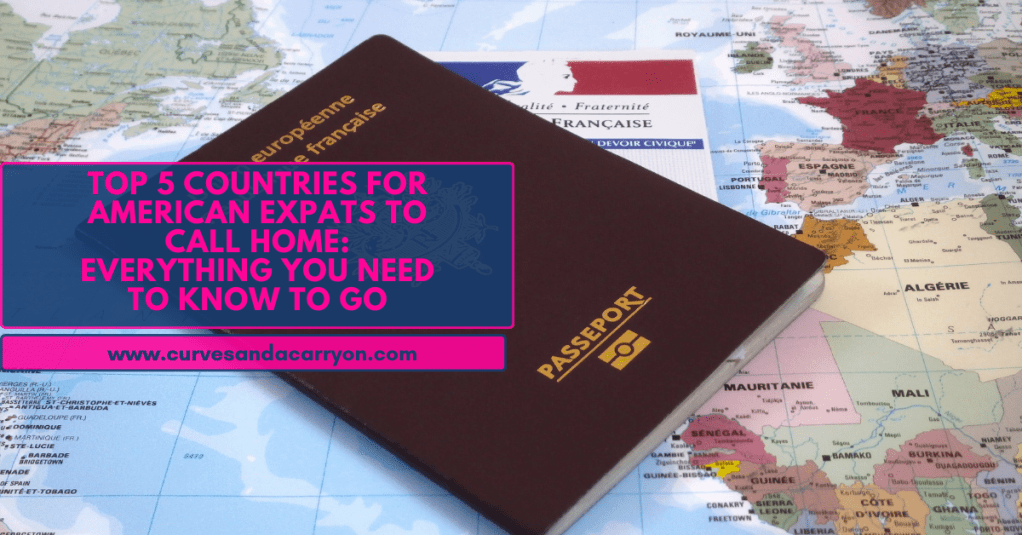
Hey there, wanderlusters! 🌍 Whether you’re seeking adventure, lower living costs, or a fresh start in a dreamy new destination, moving abroad as an expat can be a life-changing experience. But where do you even start? Fear not, because I’ve got you covered! I’ve done a ton of research on Italy (which happens to be in the Top 5 Countries. But where else could make a good home for Americans abroad? Here’s a breakdown of the top five countries for American expats, complete with resources to help you plan your big move.
1. Portugal
This sunny European gem is becoming a go-to for expats. Known for its welcoming locals, stunning coastlines, and affordable cost of living, Portugal is perfect for those looking for a laid-back lifestyle.
- Why Portugal?
Portugal offers an attractive D7 visa for remote workers and retirees. Its healthcare is top-notch, and cities like Lisbon and Porto provide vibrant expat communities. Plus, who can resist those pastel de nata pastries? - Resources to Get You Started:
- Expat Blogs: Expats Portugal
- Books: Move to Portugal Made Simple by James Cave
- Podcast: Living in Portugal by the Portugalist
- Government Resource: Portugal Visa Information
2. Mexico
Our southern neighbor has it all: vibrant culture, gorgeous beaches, delicious food, and affordable living.
- Why Mexico?
From buzzing cities like Mexico City to coastal havens like Puerto Vallarta, there’s something for everyone. The Temporary Resident Visa makes it easy for expats to stay long-term. Plus, it’s just a short flight back to the U.S.! - Resources to Get You Started:
- Expat Blogs: Two Expats Mexico
- Books: The People’s Guide to Mexico by Carl Franz
- Podcast: Dream to Destination
- Government Resource: Mexican Embassy Visa Information
3. Italy
Ciao, bella! If you’re dreaming of la dolce vita, Italy is calling your name. From quaint villages to bustling cities, the charm is endless.
- Why Italy?
Italy’s elective residency visa is a great option for retirees. Americans with Italian ancestry might even qualify for citizenship through descent (dual citizenship, anyone?). Don’t forget the wine, pasta, and unbeatable scenery. - Resources to Get You Started:
- Expat Blogs: My Italian Diaries
- Books: Living in Italy: The Real Deal by Stef Smulders
- Podcast: Untold Italy
- Government Resource: Italy Visa and Residency
4. Thailand
Known as the Land of Smiles, Thailand is a tropical paradise with a low cost of living and an amazing quality of life.
- Why Thailand?
Digital nomads and retirees flock to cities like Chiang Mai and Bangkok. Thailand’s Non-Immigrant Visa is popular among expats looking for long-term stays. Plus, those beaches? Dreamy - Resources to Get You Started:
- Expat Blogs: Tieland to Thailand
- Books: A Geek in Thailand by Jody Houton
- Podcast: The Expat Experience Thailand Podcast
- Government Resource: Thailand Visa Information
5. New Zealand
For adventure seekers, New Zealand is a dream come true. With its stunning landscapes and welcoming vibes, it’s a top choice for expats.
- Why New Zealand?
New Zealand offers visas for skilled workers and retirees. The country is known for its safety, outdoor lifestyle, and friendly locals. Hobbiton, anyone? - Resources to Get You Started:
- Expat Blogs: NZ Pocket Guide
- Books: A Working Holiday Guide to New Zealand by Marie Chatard
- Podcast: The Expat Focus New Zealand Podcast
- Government Resource: Immigration New Zealand
Final Tips for Your Move
- Join Online Expat Communities: Facebook groups and forums are great for insider tips.
- Consult Experts: A relocation consultant or immigration lawyer can save you tons of headaches.
- Learn the Language: Apps like Duolingo or local immersion classes make the transition smoother.
Are you ready to take the plunge and embrace the expat life? I’d love to hear about your dreams and plans! Let me know in the comments below or shoot me a DM on Instagram @CurvesAndACarryOn. 🌟
Here’s to living boldly and exploring the world, one country at a time! ✈️
Happy travels!
- Why Portugal?
-
Best Black Friday Accessory Deals for Solo Female Travelers on Amazon: Essentials You Didn’t Know You Needed (But Totally Do)

Alright, ladies, you’ve booked the flight, picked the perfect destination, and packed your fave outfits (hopefully). Now comes the part where you ask yourself: What accessories will make my solo travel easier, safer, and, let’s be real, way more fun? Well, grab your passport and some Wi-Fi, because we’re diving into the must-have accessories for solo female travelers on Amazon!
From in-flight essentials to safety gadgets, packing hacks, and even gifts for your travel-loving friends, I’ve got you covered. Plus, there’s a special section just for my plus-size gals, because we deserve travel goodies that fit and make life easier. Let’s shop, shall we?
Section 1: In-Flight Essentials – Comfort at 30,000 Feet
Let’s be honest: airplane travel is not glamorous. But with the right accessories, you can turn that cramped, cold cabin into a cozy little paradise (or at least a tolerable one). Here are the best in-flight essentials to make sure you land feeling like a million bucks instead of a jet-lagged zombie.
1.1 MZOO Sleep Mask
This isn’t your average sleep mask—oh no, the MZOO Sleep Mask is like a personal blackout curtain for your face. Its contoured design means no more smushed eyelashes, and it blocks out all light (so you can ignore the baby crying three rows behind you). Pop this on, and you’ll be in dreamland before the seatbelt sign goes off.1.2 Cabeau Evolution S3 Travel Pillow
Not all travel pillows are created equal, but the Cabeau Evolution S3 is the Beyoncé of neck support. It’s memory foam (so, super comfy) and has adjustable straps to keep your head from bobbing around like you’re in a very weird music video. Bonus: It rolls up into a tiny pouch for easy packing.1.3 Anker PowerCore 10000 Portable Charger
There’s nothing worse than your phone dying mid-flight, especially when you’re flying solo and relying on your playlist to survive. Enter the Anker PowerCore 10000—small, powerful, and an absolute lifesaver when you’re on the go and outlets are MIA. It’s the perfect size to throw in your carry-on.1.4 Compression Socks by Physix Gear
Your feet swell, my feet swell—we all get it. Combat that lovely mid-flight ballooning with Physix Gear Compression Socks. They help keep your blood flowing and prevent the dreaded cankles. Bonus: they come in cute patterns, so you’ll still look stylish while taking care of your tootsies.
Section 2: Safety Accessories – Solo Doesn’t Mean Unsafe!
When you’re exploring the world solo, safety is always a top priority. These accessories will give you peace of mind, because the only thing you should be worried about is where to find the best croissant.
2.1 Addalock Portable Door Lock
Hotel doors, Airbnb doors, hostel doors—doesn’t matter. If you’re staying anywhere solo, you’ll want the Addalock Portable Door Lock. It’s super easy to install and gives you that extra layer of security. Now you can relax and sleep like a baby knowing no one’s getting in without your permission.2.2 SABRE Personal Safety Alarm
Look, no one wants to need a personal safety alarm, but it’s better to have it and never use it than the other way around. The SABRE Personal Safety Alarm is compact, loud (we’re talking 120 decibels—louder than a rock concert!), and attaches easily to your keychain or bag.2.3 Lewis N. Clark Travel RFID Blocking Money Belt
Traveling solo often means keeping all your valuables close. The Lewis N. Clark Money Belt is RFID-blocking (so no one can steal your info electronically), slim, and discreet. It fits under your clothes so you can stash your passport, credit cards, and cash safely. Plus, it’s water-resistant!
Section 3: Packing Accessories – Because Packing Shouldn’t Be a Nightmare
If you’re anything like me, packing can feel like trying to solve a puzzle designed by an evil genius. Enter: packing accessories to make your life a whole lot easier. Cue angelic music.
3.1 BAGAIL 8 Set Packing Cubes
Raise your hand if you’ve ever dug through your suitcase in a panic, only to find your favorite shirt crumpled in a ball at the bottom. Same. The BAGAIL Packing Cubes will organize your life. You can separate your tops, bottoms, undies, and toiletries, so nothing gets lost. Plus, they compress everything, which means more room for shoes!3.2 Gonex Compression Packing Bags
Not to be confused with packing cubes, Gonex Compression Packing Bags are the travel wizardry you didn’t know you needed. These bags let you suck the air out of bulky items (looking at you, winter sweaters) and save a ton of space. Perfect for overpackers who refuse to “pack light.” (Me? Guilty.)3.3 Tripped Travel Gear Toiletry Bag
Listen, a good toiletry bag is a game-changer. The Tripped Travel Gear Toiletry Bag is compact but so spacious, with multiple compartments for all your skincare and beauty needs. It hangs, too, so no more balancing your toothbrush on the edge of a tiny hotel sink.
Section 4: Plus-Size Travel Essentials – Because the Struggle is Real
Finding travel accessories that actually fit or work for plus-size travelers can be frustrating. But don’t worry, I’ve found some must-haves that make traveling as a plus-size woman a breeze.
4.1 Seat Belt Extender
There’s nothing worse than awkwardly asking for a seatbelt extender mid-flight. The Seat Belt Extender from Amazon works on most airlines and lets you clip in discreetly without any hassle. Pop it in your carry-on, and you’ll be good to go. *I would recommend always using an airline approved one, provided by the airline you’re traveling with, but I understand some plus sized travelers prefer to carry their own*4.2 Baggallini Big Zipper Crossbody Bag
I swear by crossbody bags for travel, but finding one with enough room to comfortably fit across your body and hold all your stuff can be tricky. The Baggallini Big Zipper Crossbody Bag is not only spacious, but the adjustable strap is plus-size-friendly. Tons of pockets and comes in cute colors, too!4.3 Orolay Women’s Thickened Down Jacket (The Amazon Coat)
Let’s be real, if you’re traveling somewhere chilly, you need a good coat that actually fits comfortably. Enter the viral Orolay Down Jacket (aka “The Amazon Coat”). It’s super warm, comes in extended sizes, and looks chic, so you’ll be cozy and stylish on your solo adventures.
Section 5: Gifts for Solo Female Travelers – Treat Yo’self (or Your Travel-Loving BFF)
Whether you’re looking for a little self-care gift or need a present for your travel-obsessed friend, these accessories are sure to please.
5.1 The Adventure Challenge Solo Edition
Looking for fun solo travel ideas? The Adventure Challenge Solo Edition is a scratch-off book full of travel prompts and challenges. It’s like a bucket list, but with a fun twist! It’s a great way to get out of your comfort zone and make solo travel even more memorable.5.2 Hydro Flask 24oz Water Bottle
Staying hydrated while jet-setting around the world is key. The Hydro Flask Water Bottle keeps drinks cold for hours (or hot, if you’re a coffee addict like me). It’s durable, comes in cute colors, and fits perfectly in most backpacks. Bonus: The wide-mouth design makes it easy to add ice cubes.5.3 Travel Scratch Map
There’s something incredibly satisfying about visually marking off the places you’ve been. The Travel Scratch Map is the perfect way to document your adventures. It’s not only a great gift, but also a fun decoration for your home (or that tiny corner you call “home” between trips).
Section 6: Miscellaneous Must-Haves – Because You Never Know
Sometimes it’s the random little things that save the day when you’re traveling. Here are a few other accessories that should definitely be in your Amazon cart.
6.1 LifeStraw Personal Water Filter
If your adventures take you off the beaten path, the LifeStraw is a life-saver—literally. It filters out bacteria and parasites from water, so you can drink safely even in remote areas. Great for hikers, campers, or anyone who finds themselves suspicious of the local water supply.6.2 Tile Mate Key Finder
Traveling solo means keeping track of all your stuff. If you’re prone to losing things (guilty), the Tile Mate will be your best friend. Attach it to your keys, wallet, or even your suitcase, and use the Tile app to track it down when you inevitably misplace it.6.3 Sun Cube Wide Brim Hat
Sun protection is a must when traveling, and the Sun Cube Wide Brim Hat has got you covered—literally. It’s lightweight, foldable, and gives you UPF 50+ protection. Perfect for beach days, desert hikes, or just wandering sunny streets without burning your face off.
Solotravel is an adventure all its own, but with the right accessories, it becomes a lot more enjoyable (and stylish). From safety gadgets to comfort must-haves and packing hacks, these Amazon finds will have you feeling like a seasoned traveler in no time. So, what are you waiting for? Add to cart, and get ready for your next adventure!
Happy travels, solo queens! 🌍💼
*this post contains affiliate links*
About Me
Born in Portsmouth, Virginia and raised in San Diego, California. I have a passion for exploring the world and seeing all it has to offer. Cultural experiences have shaped me into a person who tries to leave the world feeling a little more love whenever I show up. Come with me, and let’s have the best adventure!
Follow Me On
Subscribe To My Newsletter
Subscribe for new travel guides and exclusive content.
 Curves and a Carry On