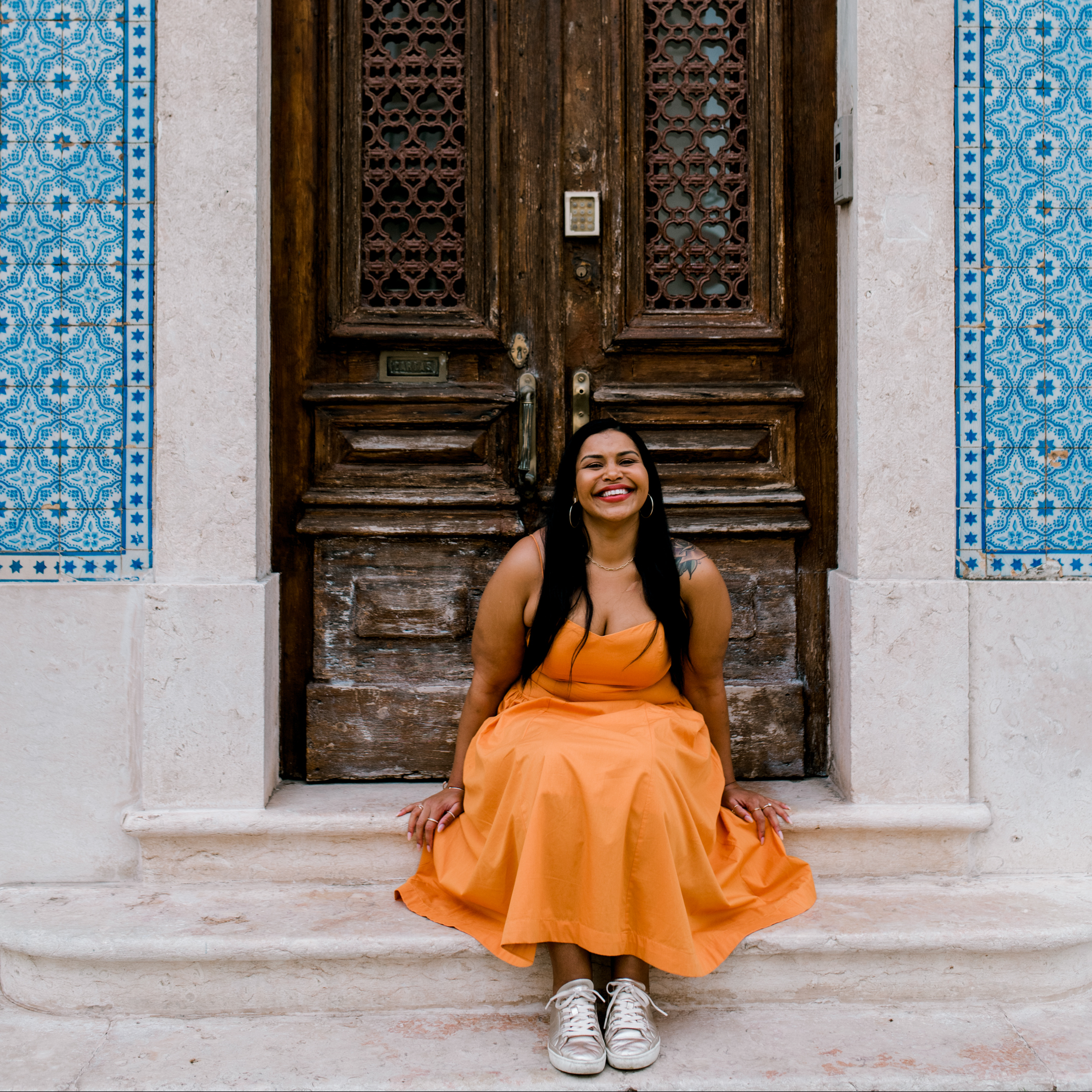
Alright, let’s get real for a second. We love travel, right? As women of color, hitting the road solo can be everything—it’s empowering, freeing, and eye-opening. But there’s an extra layer to our wanderlust that doesn’t often get talked about: microaggressions and bias. Because while we’re out there snapping pics of dreamy sunsets and trying to live our best Eat, Pray, Love life, we sometimes have to deal with uncomfortable moments, subtle (and not-so-subtle) jabs, and awkward encounters that make us question if we’ve got a “tourist” sign on our backs and our skin color.
But guess what? You’ve got this. You are a traveling queen, and no snide comments or passive-aggressive nonsense is going to dull your shine. Let’s dive into how to navigate the world as a solo woman of color—handling microaggressions like a pro and prioritizing your mental health along the way.
1. The Stare Down: When You’re The “Only” in the Room
You know the look. You walk into a restaurant, or step onto public transportation, and all eyes are on you. Not in a Beyoncé way, but in that, “Hmm, she doesn’t look like she’s from around here” way. Whether you’re in Eastern Europe, Asia, or even certain parts of the U.S., being the “only” woman of color in the room can be awkward.
How to Handle It:
- Channel Your Inner Queen: Seriously, you belong wherever you are. Stand tall, hold your head high, and walk with confidence. Sometimes people stare simply because they aren’t used to seeing someone like you. That’s on them—not you.
- Take the High Road: If someone gives you a long, invasive look, smile or give a polite nod. If they continue? Feel free to give them a “Are you done?” look or ignore them altogether. You have no obligation to educate them.
- Pick Your Battles: If someone is outright rude, it’s up to you whether you want to engage. But remember, your energy is precious. Save it for moments that matter (like deciding between gelato flavors in Rome), and don’t let someone’s ignorance weigh you down.
2. The “Exotic” Label: “Wow, Where Are You Really From?”
Ah yes, the classic “Where are you really from?” question. It’s usually asked with wide eyes and a hint of curiosity, but underneath, it carries assumptions about your place in the world. If you’ve got a different skin tone, accent, or hairstyle, people might just put you in the “exotic” box and start asking questions like you’re some kind of rare animal in a zoo. This happens to me even here in the US, and it’s always bizarre to me!
How to Handle It:
- Answer Honestly—Or Don’t: You are not obligated to educate anyone. A simple “I’m from San Diego” (or wherever you call home) is enough. If they push for more, you can either go deeper or flip the question back on them: “And where are you from?” They’ll often realize their question was invasive.
- Call It Out (With Sass): If you’re in the mood, a little sass can go a long way. “Where am I really from? Earth, just like you.” It’s both humorous and to the point.
- Laugh It Off: Sometimes, laughing about it (either to yourself or with a trusted friend) is the best medicine. “Oh, great, another ‘exotic’ comment. Where’s my bingo card?”
3. The Touching: “Can I Touch Your Hair?” (Or Worse, They Just Do It)
Isn’t it fascinating how your curls, braids, or Afro suddenly become a public artifact the moment you step into a new country? Whether it’s curiosity or pure disrespect, some people love to touch your hair without permission—as if your personal space doesn’t exist.
How to Handle It:
- The Pre-Emptive Move: If you see someone reaching for your hair, take a step back, give them a polite smile, and firmly say, “Please don’t touch my hair.”
- Shut It Down: If they ask, you’re within your rights to say “no.” You don’t owe anyone access to your body—hair included.
- Education Opportunity: If you’re feeling generous, you can explain why touching someone’s hair is not okay. But if not? A simple “That’s inappropriate” is enough.
4. The Comments: “You’re Pretty… For a [Insert Ethnicity Here]”
Compliments are great, right? But when someone tacks on a qualifier based on your race or ethnicity, it turns sour real quick. “You’re pretty for a Black girl.” “Wow, I didn’t expect someone from [insert country] to look like you.” Yeah, no thanks.
How to Handle It:
- Keep It Short and Sweet: “That’s actually not a compliment.” Leave it at that. If they try to backtrack or explain, you don’t owe them any more of your time.
- Call It What It Is: “That’s a really ignorant thing to say.” Sometimes, people don’t realize how offensive they’re being. Calling it out can spark a moment of reflection (hopefully).
- Walk Away: Not every comment deserves a response. If you’re in a safe situation and don’t feel like engaging, just walk away. You’ve got better things to do (like sip cocktails by the beach).
5. Language Barriers or “Why Don’t You Speak English?”
Even in non-English-speaking countries, some people expect you, as a tourist, to speak their language—or worse, expect everyone to speak English. And if you do speak the local language, prepare for a side of surprise when they hear you doing so fluently. It’s a weird mix of condescension and bias.
How to Handle It:
- Show Off Your Skills: If you’ve learned the local language (even a bit), throw it back at them. Respond in their language confidently and keep the conversation going. Surprise them!
- Stay Polite: If you’re not fluent and they’re getting impatient, stay calm. “I’m learning. Could you help me with the right word?” Sometimes acknowledging the language barrier with grace diffuses the situation.
- Set Boundaries: If someone’s being pushy about you speaking English or dismissing your attempt to speak the local language, feel free to remove yourself from the situation. You don’t have to deal with unnecessary rudeness.
Mental Health Matters: Protecting Your Peace
Travel is meant to be a joy, but dealing with microaggressions can add stress. It’s okay to admit that these experiences can wear you down, and your mental health is a priority. So is your safety.
Tips for Protecting Your Mental Health While Traveling:
- Take Breaks: Sometimes you need a breather. If an encounter leaves you drained, take a moment for yourself. Find a quiet café, take a walk, or even head back to your hotel for some “me time.”
- Connect with Fellow Travelers: There’s strength in numbers. Whether it’s joining a Facebook group for women of color travelers or meeting up with others through apps like Meetup or Couchsurfing, it helps to share your experiences with people who get it.
- Use Travel as Self-Care: Journaling, meditation, and mindful reflection can help process difficult moments. Make time to de-stress and check in with your mental health.
- Podcasts and Books: Plug into resources that uplift and support your journey as a woman of color traveler. Some great podcasts include “The Black Expat Podcast,” “She Nomads,” and “Wellness for Black Women.”
- Reach Out for Support: If travel stress starts to feel overwhelming, talk to a professional. Services like BetterHelp and Talkspace offer online therapy sessions that can be a lifeline when you’re on the go.
Final Thoughts: You’re Bold, Beautiful, and Worthy
Navigating the world as a solo woman of color comes with its share of challenges, but remember: you are bold, beautiful, and worthy of every single experience travel has to offer. Microaggressions and bias are frustrating, but they do not define your journey. You have the power to handle any situation with grace, and every new adventure is an opportunity to break down barriers and make the world a little more open, one trip at a time.
Now go out there, shine bright, and show the world what you’re made of. Safe travels! 🌍 ✨
 Curves and a Carry On
Leave a comment